
Slide 1

Serving South Florida

Slide 2
For over 40 years
  • Facebook Facebook
  • Twitter Twitter
  • LinkedIn LinkedIn
  • Pinterest Pinterest
  • Instagram Instagram
  • Instagram Instagram
  • Zillow Zillow
  • Active Rain Active Rain
  • Realtor Realtor
  • yelp yelp
Optima Properties

561.251.7170
info@optimaproperties.com

  • Buyer Agency
    • About Buyer Agency
    • Buyer Representation – Exclusive Buyer’s Agent
    • Customer vs. Client
    • Exclusive Buyers Single Agency Duties
    • Glossary of Terms
    • Fair Housing Pledge
  • For Buyers
    • Property Search
    • Exclusive Buyers Single Agency Duties
    • New Construction Assistance
    • Relocation Assistance
    • Buyer’s Guide
    • Foreign Buyers Guide
    • Home Buying Tips & Advice
    • Finance Center
    • Home Buyer Resources
    • In The News
    • Glossary of Terms
    • Property Organizer
  • Communities
    • South Florida
      • Broward County
        • Coral Springs
        • Deerfield Beach
        • Fort Lauderdale
        • Hillsboro Beach
        • Lauderdale By The Sea
        • Lighthouse Point
        • Parkland
        • Pompano Beach
        • Sea Ranch Lakes
      • Palm Beach County
        • Boca Raton
        • Boynton Beach
        • Delray Beach
        • Gulf Stream
        • Highland Beach
        • Hypoluxo
        • Juno Beach
        • Jupiter
        • Jupiter Inlet Colony
        • Lake Worth
        • Manalapan
        • North Palm Beach & Lake Park
        • Ocean Ridge
        • Palm Beach
        • Palm Beach Gardens
        • Singer Island
        • South Palm Beach
        • Tequesta
        • Wellington
        • Westlake
        • West Palm Beach
  • Property Search
  • Services
    • Relocation Assistance
    • Vacation Properties
    • Investment Properties
      • Evaluating a Real Estate Investment
      • Tax Deductions For Rental Properties
    • Exclusive Buyers Single Agency Duties
    • Fair Housing Pledge
  • Meet Kim
    • Meet Kim
    • Exclusive Buyer Agent
    • Testimonials
  • Blog
    • Blog
  • Contact Us!
Back Home Back Home

Homebuyer Advice

How To Clean Reusable Shopping Bags

Shopping Bags
Shopping BagsWe are all being more cautious these days, but it’s always been important to take good care of the bags you use to carry your food.
As we step up our hygiene routines with more frequent hand-washing and cleaning, it’s making us start to question the cleanliness of everything. Yes, including our reusable shopping bags. And while we probably should have been regularly washing our reusable grocery bags all along, it’s certainly not too late to start.
If you’re transporting raw meat, seafood, and vegetables in your reusable shopping bags and have never washed them before, you run the risk of inadvertently cross-contaminating your groceries. Do use the plastic bags provided at the grocery store for produce and meats before placing inside your bags.
Luckily, the solution is easy: just start washing your reusable shopping bags, according to the instructions below. Then, check to make sure you’re following the dos and don’ts of reusable bag storage.
Get in the habit of cleaning your bags after every shopping trip. Here are some tips:
What You’ll Need:
·   Laundry detergent
·   Disinfecting wipes or sprays
·   Cleaning cloths or paper towels
How to wash cotton reusable bags:
The good news is that most reusable cotton and canvas shopping bags are machine-washable, just check the care label to make sure. Remove any inserts and turn bags inside out. (Clean inserts with a disinfecting spray cleaner.) Use the hottest water setting possible, along with detergent.
If you can, toss the bags in the dryer. Note: this may shrink some cotton bags slightly. Alternatively, line-dry the bag in an area with good ventilation to prevent the growth of mold and mildew.
How to wash nylon reusable bags:
1Hand wash the bag in warm, soapy water, making sure to get into the corners and crevices. You can also machine-wash the bag, but be sure to use the gentle cycle.
Line-dry the bag in an area with proper ventilation to prevent the growth of mold.
How to wash recycled plastic bags (polypropylene bags):
You probably have a stash of these exceptionally sturdy bags from Trader Joe’s and the like. Wash them by hand using warm, soapy water, and then line dry them completely before storing them away. You can also dry them with a clean towel to speed up the process.
Alternatively, wipe down the bags with disinfecting wipes and allow them to dry. You may want to turn the bag inside-out to get into the corners and remove any crumbs or grime.
The dos and don’ts of storing reusable shopping bags
·   Don’t store the bags in the trunk of your car. This dark, damp storage spot may encourage bacteria growth.
·   Do designate one specific bag for carrying raw meat. This will help prevent cross-contamination. Then, wash that bag after every use.
·   Don’t store away bags that are damp. Make sure they’re completely dry first.
·   Do a sniff test. Musty-smelling bags are a sign they should be cleaned.
·   Don’t store other items, like gym clothes or sports gear, in bags used for groceries.

Filed under: Blog, coronavirus, Exclusive Buyer Agency, Exclusive Buyer Agent, Home Buyer Advice, Home Buyers, Home Maintenance, home safety, Homebuyer Advice, real estate news by Kim Bregman
Comments Off on How To Clean Reusable Shopping Bags

NAEBA celebrates 25 years of exclusively serving the interests of home buyers.

NAEBA

NAEBA

PHOENIX, April 09, 2020 (GLOBE NEWSWIRE) — The National Association of Exclusive Buyer Agents (NAEBA) reached their 25th anniversary. This milestone is a major confirmation of the importance of their mission and the value their members bring to the market. In a world where it is sometimes hard to tell who is on what side, the National Association of Exclusive Buyer Agents is clear that they exist to provide exclusive fiduciary duties to home buyers. NAEBA members avoid the conflict of interests that arise when the same firm attempts to represent both buyers and sellers.

“It is incredibly validating to have reached this major milestone of 25 years. Our members are the vanguards for the standards and ethics of fiduciary duty to buyer-clients,” says Rich Harty, current volunteer President of NAEBA. “As a membership association, we support each other so that we can better serve our buyer-clients.” NAEBA’s members are a part of a community of like-minded people who understand the value of professional development, camaraderie, networking, and the strength that comes from association.

This anniversary comes with many recent initiatives and accomplishments, including:

• The launch of the Certified Exclusive Buyer Agent online program

• The incredible growth of the NAEBA leads referral system helping connect buyers with EBAs

• Ongoing development of benefits and resource sharing for NAEBA members only

“NAEBA has offered me great tools and educational experiences to enhance my career as an Exclusive Buyer Agent, business owner, and broker. I credit my attendance at NAEBA meetings and getting involved as a volunteer with helping me establish my position as a trusted expert in my market,” says Andi DeFelice, former volunteer President of NAEBA. “Membership in NAEBA is a powerful asset for my business.”

To learn more about National Association of Exclusive Buyer Agents, visit https://naeba.org/about-naeba/ The National Association of Exclusive Buyer Agents is an independent alliance of real estate professionals who provide client-level services to home buyers only and whose real estate companies do not accept seller-property listings. The members of this Association adhere to a strict code of professional ethics and professional standards which guide them in serving their buyer-clients.

Filed under: Blog, Boca Raton real estate, Exclusive Buyer Agency, Exclusive Buyer Agent, First Time Homebuyers, Florida Real Estate, Home Buyer Advice, Home Buyers, Homebuyer Advice, International Home Buyers, Real Estate, real estate news, South Florida Real Estate by Kim Bregman
Comments Off on NAEBA celebrates 25 years of exclusively serving the interests of home buyers.

COVID-19 South Florida Resources

Quick Facts

If you live in Broward County, you can call this hotline to have your questions answered: 954-357-9500.

If you live in Palm Beach County, you can call this information line with your questions: 561-712-6400.

The Sun Sentinel posted drive-through testing sites in South Florida here.

Please be aware of financial scams. You can learn more and report them here.

Tele-Health

Medicare: Medicare has temporarily expanded its coverage of telehealth services to respond to the current Public Health Emergency. Learn more here.

Florida Blue: Florida Blue’s network of primary care doctors and specialists will be able to treat patients virtually at their normal office visit rates. Visit the Florida Blue website, the Florida Blue app, the Teladoc app, or by calling Teladoc directly at 800-835-2362.

Baptist Health: Baptist Health is offering telehealth services through its Care on Demand platform. If you or someone you know has cold or flu-like symptoms, visit here using code CARE19.

Cleveland Clinic: Cleveland Clinic Florida is encouraging the use of its Express Care Online Virtual Care services as much as possible during the outbreak. Click here for more information.

Cigna: Cigna is offering COVID-19 specific resources for enrollees. Click here for more.

Humana: Humana has agreed to waive telemedicine costs for all urgent care needs for the next 90 days. This will apply to Humana’s Medicare Advantage, Medicaid, and commercial employer-sponsored plans and is limited to in-network providers delivering synchronous virtual care. More information here.

COVID-19 Public Website and Call Center

Please visit the Florida Department of Health’s dedicated COVID-19 webpage for information and guidance regarding COVID-19 in Florida.

For any other questions related to COVID-19 in Florida, please contact the DOH’s dedicated COVID-19 Call Center by calling 1-(866) 779-6121. The Call Center is available 24 hours a day. Inquiries may also be emailed to COVID-19@flhealth.gov.

County Health Departments

If you’re concerned that you may have contracted the coronavirus, please contact your healthcare professional or county health department:

Broward County: 954-467-4700
Palm Beach County: 561-840-4500 
Miami-Dade County
: 305-324-2400

Additional Resources 

  • Centers for Disease Control and Prevention
  • Florida Department of Health
  • World Health Organization

Bank Regulators have also instructed banks and servicers to be proactive in extending help to homeowners:

  • Federal Deposit Insurance Corporation (FDIC)(link is external)
  • Office of the Comptroller of the Currency (OCC)(link is external)
  • Board of Governor of the Federal Reserve System (Fed)(link is external)

Banks have posted their own policies and ways for consumers to contact them for assistance:

  • Bank of America(link is external)
  • Capital One(link is external)
  • Chase(link is external)
  • Truist(link is external)
  • U.S. Bank(link is external)
  • Wells Fargo(link is external)

Consumer Financial Protection Bureau (CFPB)

Protect Your Credit: The CFPB is urging consumers to protect their credit(link is external) during this pandemic.
Protect Yourself Financially: The CFPB has a number of resources(link is external) focused on financial protection, both short and long term, such as paying bills, income loss, and scam targeting.  Resources include contacts for housing and credit counselors, debt collectors, and state unemployment services.

  • CFPB Director Kraninger Statement on Joint HUD-FHFA Announcement on Foreclosure and Eviction Moratorium(link is external)

Department of Labor (DOL)

DOL has provided resources for employers and workers(link is external) in responding to COVID-19 and including the impact on wages and hours worked and protected leave (these resources are primarily for businesses and employers).

Environmental Protection Agency (EPA)

Americans can continue to use and drink water from their tap as usual. EPA has provided important information about COVID-19(link is external) as it relates to drinking water and wastewater to provide clarity to the public. The COVID-19 virus has not been detected in drinking-water supplies. Based on current evidence, the risk to water supplies is low.

Federal Housing Administration (FHA)

Immediate Foreclosure and Evictions Relief for Homeowners for the Next 60 Days

The U.S. Department of Housing and Urban Development (HUD) has authorized the FHA to implement an immediate foreclosure and eviction moratorium(link is external) for single family homeowners with FHA-insured mortgages for the next 60 days. Read the full press release(link is external).

FHA Q&A Form

FHA continues to run single family business operations. FHA has created a Q&A form available on their website to keep interested parties updated on their procedures during the COVID-19 crisis. Please refer to https://www.hud.gov/program_offices/housing/sfh(link is external)  for the most current information.

Federal Housing Finance Agency (FHFA)

FHFA has instructed Fannie Mae, Freddie Mac and their servicers to be proactive in providing assistance to homeowners including forbearance. In addition, FHFA imposed a moratorium on eviction and foreclosures on mortgages backed by the GSEs:

Fannie Mae and Freddie Mac

Fannie Mae and Freddie Mac have issued similar guidance:

  • Homeowners who are adversely impacted by this national emergency may request mortgage assistance by contacting their mortgage servicer
  • Foreclosure sales and evictions of borrowers are suspended for 60 days
  • Homeowners impacted by this national emergency are eligible for a forbearance plan to reduce or suspend their mortgage payments for up to 12 months
  • Credit bureau reporting of past due payments of borrowers in a forbearance plan as a result of hardships attributable to this national emergency is suspended
  • Homeowners in a forbearance plan will not incur late fees
  • After forbearance, a servicer must work with the borrower on a permanent plan to help maintain or reduce monthly payment amounts as necessary, including a loan modification

Fannie and Freddie have also created pages with additional information:

  • Fannie Mae: Coronavirus (COVID-19) Help(link is external)
  • Freddie Mac: Foreclosure & Alternatives – Who to Contact for Help (link is external)

Internal Revenue Service (IRS)

The IRS has also created a Coronavirus Tax Relief section(link is external) on their website with updated information for taxpayers and businesses (these resources are for businesses and not specifically for consumers).

  • Tax Time Guide to Guard Personal, Financial, and Tax Information Year-Round(link is external) (these resources are for businesses and not specifically for consumers).
  • Income Tax FILING and PAYMENT Deadlines Extended: In light of COVID-19 crisis, the IRS on March 18 extended the income tax payment deadline(link is external) for individual returns (as well as all other entities) until July 15, 2020. Two days later, the IRS also extended the tax filing deadline to July 15, 2020. Additional forms do not need to be filed to qualify for these extensions

Filed under: 20 Blogs, Blog, Boca Raton real estate, coronavirus, Exclusive Buyer Agency, Exclusive Buyer Agent, First Time Homebuyers, Florida Real Estate, Home Buyer Advice, Home Buyers, home safety, Homebuyer Advice, Real Estate, real estate news, South Florida Real Estate, Uncategorized by Kim Bregman
Comments Off on COVID-19 South Florida Resources

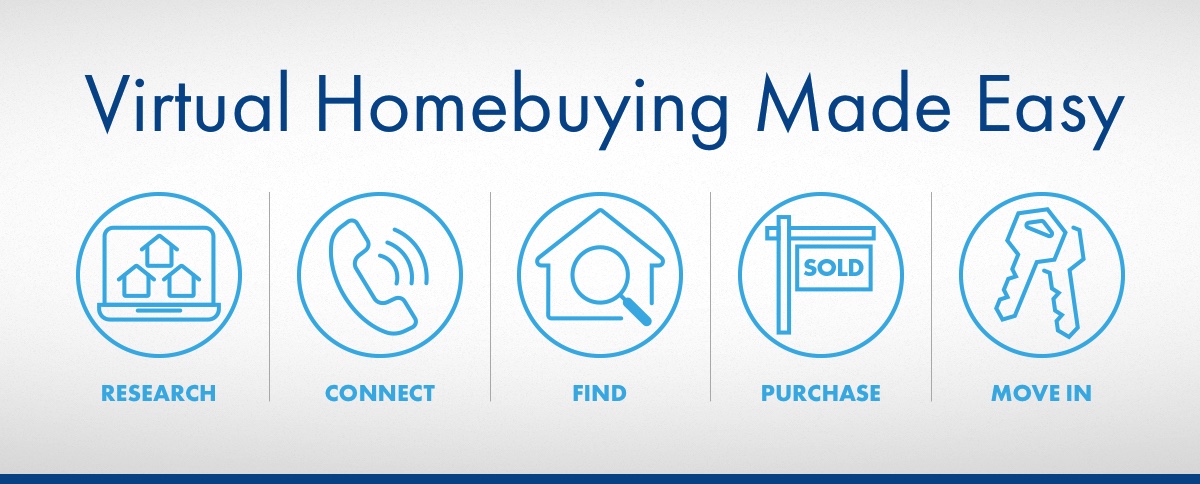
Virtual Home Buying Made Easy!

Virtual Homebuying

Virtual Homebuying

Gov. Ron DeSantis enacted stay-at-home orders for Florida effective April 3, but the order considers real estate an “essential service,” so Realtors may continue to operate under limits set by CDC guidelines.
Under the issued Homeland Security guidance, “residential and commercial real services” are included on a 15-page list of essential services. These cover settlement services and government offices that conduct title searches, notaries, and mortgage and recording services, as well as construction. The advisory letter was created by the Homeland Security’s Cybersecurity & Infrastructure Security Agency.
Optima Properties is able to continue to service your needs as a Buyer.
Showings:
  • In-person showings are considered a health risk. We can
Zoom, Facetime, or Skype showings
  • Online Video Tours are available on active listings currently and more are being developed every day.
Contracts:
  • Digital Signing of all Contract Documents
  • Zoom, Facetime or Skype Contract Review
Deposits:
  • Wired Earnest Money Deposits
  • Following Wire Fraud Protection ( Voice to Voice Confirmation)
Property Inspections:
  • Electronic Delivery of Inspection Reports
  • Zoom, Facetime or Skype Inspection Review
Mobile Notary:
  • Mobile Notary and Virtual Closings Now Available
House Key Delivery:
  • Non Contract Key Delivery Service Post Closing
Please contact me for all your Real Estate Related Needs.
Stay Home and Stay Safe!
‌

Filed under: Blog, Boca Raton real estate, contracts, coronavirus, Exclusive Buyer Agency, Exclusive Buyer Agent, First Time Homebuyers, Florida Real Estate, Home Buyer Advice, Home Buyers, Home Financing, home Inspections, Homebuyer Advice, House Closings, Mortgage Information, Real Estate, Real Estate Closings, real estate news, South Florida Real Estate by Kim Bregman
Comments Off on Virtual Home Buying Made Easy!

How To Set Up A Home Office

Home Office

Home Office

I’ve spent more than three decades with a home office. When you work at home, even part time, you discover that a makeshift desk area on a kitchen counter or the dining table isn’t the best setup. Having a dedicated home office, even if it’s compact, makes a big difference in comfort and productivity. Having a dedicated space also serves as an important signal to those who live with you that you’re ‘at work’. Create boundaries within your home that your family members understand.
Stake Out Your Spot 
You need to pick a spot in your home with the fewest distractions, and where all the essentials (like electrical outlets and your modem) are close by. Modern WiFi is a wonderful thing but understand it can still be inconsistent in even the most tech-friendly neighborhoods. I anticipate that our connectivity speed will be further degraded by all the streaming and game-playing that is happening now, in addition to everyone trying to work from home as well……be patient and see if you can upgrade to a higher speed with your home Internet provider.
Also, try to find a spot near a window with some natural light so you don’t feel completely tucked away from the world. Think about storage and try to keep work-only items grouped together. Think outside the file box to find an organizational system that works for you; see what you can use around your home. It’s more important to give everything that has been sitting out in piles a permanent home than it is to buy new containers. Here are a few ideas for organizing your home office:
·     A grid of clipboards on the wall can make for a handy place to keep papers organized.
·     Wall-mounted cups keep frequently used supplies neat and within reach.
·     Cups and bowls borrowed from the kitchen make great desktop and drawer organizers.
·     Labeled, open-top baskets on shelves are great for people who like piles
·     Traditional files are still useful for important documents.
Set Ground Rules with the People in Your Space
Set ground rules with other people in your home or who share your space for when you work. I say “morning,” but not everyone who works from home follows a nine-to-five schedule. Yours might be a “getting started” routine at another time of day. I want my elderly parents to be able to call me anytime, but have reminded them that “after 6” is the best time to get my undivided attention. I ask other family members and friends to respect my work hours and stick with the less obtrusive email or text for non-emergencies.
Act as if you are “going to work”. Whatever your routine was when you were going to the office, try and maintain it now that you are working from home. Exercise, shower, get dressed (not pajamas), and then “go to work”. I try and avoid eating at my desk and taking a coffee break, lunch break, etc.  Use these times to reconnect with other household members and address their needs and concerns.
Think About Your Back, Feet and Shoulders 
Pick a back-friendly, ergonomic chair if at all possible and always make time for exercise (don’t forget to stretch!). I prefer to stand or walk around while I am on the phone but now that my husband is working from home as well, we find that this is distracting to one another. Go outside and get some fresh air while on that call.
Although you can easily work on a laptop from anywhere, an entire day, week, or even a month spent looking down at a screen is not going to do your neck muscles any favors. If you have the space and the budget, think about upgrading to a decent-sized computer monitor to plug your laptop into. I use two monitors so that I can multitask between emails, software applications required for my work, calendars, and more.
Most desks, chairs and monitors and still designed for the average sized man. I have made adjustments by ensuring that my monitors are at eye level. You can use boxes, books, magazines or anything you have around the house to easily accomplish this…no need to be purchasing special desks, risers, etc. If your chair is not adjustable, use pillows, etc. to ensure that you are sitting at the right height to keep your back straight. I have purchased an ergonomic cushion that provides comfort and support for my spine as well as adds two includes to my seat height.
Make Friends with Your Postal Worker or Delivery Person 
Thank goodness for USPS, UPS and FedEx!!! These people get bonuses at Christmas for their daily deliveries to my door. I have always been an online shopper for convenience and time-saving and now that I am getting deliveries for food, office supplies and more the visits to my front door have increased ( still can’t find toilet paper however).
Take the time to let your local postal worker or delivery person in your neighborhood know you’re now working from home if your work involves a lot of envelopes and packages. I have made a point in the past to have a few daily words with the drivers that frequent my home. It helps when my local delivery person knows I’m working at home and sending and receiving envelopes and packages on a regular basis.  In today’s world something as simple as leaving a note on your door explaining your situation will work and be appreciated.  My UPS driver told me a couple of days ago that I can leave the package outside my front door with a note to pick it up or if I see him in the neighborhood to just hand him the box…..no need to go out to the UPS store!!!
Pump the Brakes with Social Media
Social media can be absolute poison if you don’t limit yourself. It’s definitely good to stay on top of the news during these uneasy times, but if you allow yourself to be sucked into endless posts, you might look up at the clock and discover you lost three or four hours of your day.
I enjoy social media and participate for both personal and work reasons, but I have learned to use it wisely.  I check it before I head to my office with my morning coffee and then again at the end of the day. That doesn’t mean you can’t laugh at someone’s funny online story, or post about your favorite sports team or TV show. Just try to limit the damage during work hours.
Freshen up.
Give yourself a big pat on the back, because the hardest work is now behind you! Today is all about making your home workspace fresh and clean, so it will be a healthier, more pleasant place to spend time in.
·     Vacuum your home office from top to bottom. Use an attachment to clean window treatments, high corners and fabric lamp shades.
·     Wipe down shelves and surfaces with a damp microfiber cloth.
·     Use monitor wipes to clean your screens.
·     Use a keyboard cleaner to blow dust from between the keys or gently clean them with cotton swabs.
·     Bring in some fresh plants to help clean the air.
Straighten up your home office before you are done working each day. Bring the coffee cups back to the kitchen and completely clear your desktop.
We are all anxious and a routine will help keep our life as “normal” as possible in these difficult times. Don’t be hard on yourself if you are not as productive as when in the office. Working from home is a mindset and a discipline and cannot replace a normal work environment. It takes time, discipline and commitment to find the right balance for your personal and family needs.

Filed under: Blog, Boca Raton real estate, coronavirus, Down Sizing, Exclusive Buyer Agency, Exclusive Buyer Agent, First Time Homebuyers, Florida Real Estate, Home Buyer Advice, Home Buyers, Home decorating, Homebuyer Advice, Kim Around the Web, Real Estate, real estate news, Real estate trends, South Florida Real Estate by Kim Bregman
Comments Off on How To Set Up A Home Office

Things to Improve Your Time Stuck at Home!

I have put together a few resources to “get us out in the world again” albeit visually,broaden our perspectives, hone our skills and otherwise improve our mental and physical health.
Art and Theater:
There are so many resources available on our devises and TVs for streaming and watching including UTube, PBS, and more. Here are some opportunities to bring art back into your life.
Virtual Tours of 12 Museums Around the World
Metropolitan Opera Free Streaming Nightly
Google Arts and Culture
Education:
Thought of auditing a class at a local university? These Ivy Leagues have 450 Classes you can take for free.
Online Ivy League Courses
Read the Classics Online For Free
Free Audiobooks to Read or Listen
Improved Business Skills:
Remember thinking, “I wish I had the time to?” Invest, at no charge, in improving your business skills, planning, and preparing for the future.
Free Courses from LinkedIn
Free Online Business Classes
Get Domestic:
Stuck in the house? Make the most of it.
Learn to Cook from World Famous Chefs
Free Online Sewing Classes
Free Online Home Improvement Courses
For Your Kids:
There is no lack on resources available online to assist families with continuing their children’s education and keeping them creatively occupied while being isolated and out of school. The following is just a few resources of the thousands that can be explored.
Educational Tool-Kit for Online Learning
Visit the Zoo!
NASA Kids Club
For Your Physical and Mental Health:
Let’s get in shape physically and mentally!
50 Free Online Workout Resources
Mindfulness Meditation Resources
Free Memory Games
For Your Pets:
Keep yourself and your pet occupied with a little behavior training
Free Dog Training Videos
Dog TV

Filed under: Blog, coronavirus, Exclusive Buyer Agent, Home Buyer Advice, Home Buyers, Homebuyer Advice, Real Estate, real estate news, South Florida Real Estate by Kim Bregman
Comments Off on Things to Improve Your Time Stuck at Home!

How to Keep Your Home Virus-Free

Coronavirus Safety

Coronavirus Safety

For many people, staying safe from the new coronavirus means staying home. But infectious germs can live in your house, too.

Although the CDC has not found evidence of surface-to-person transmission to date (which is good news!), the virus may live on surfaces for hours to days, making regular cleaning and disinfecting a wise practice during this time.

To minimize the risk of getting sick, the Centers for Disease Control and Prevention recommend taking action to disinfect high-touch surfaces, such as countertops, doorknobs, cellphones and toilet flush handles, since some pathogens can live on surfaces for several hours.

Here are some other tips for staying safe at home:

The CDC recommends washing hands vigorously with soap and water for at least 20 seconds. As a backup, use hand sanitizers that are at least 60% alcohol.

The Environmental Protection Agency recently released a list of approved disinfectants to kill coronavirus. For surface cleaning, look for products such as wipes, sprays and concentrates that say “disinfectant” on the label and include an EPA registration number. These are required to meet government specifications for safety and effectiveness.  For a homemade disinfectant, the CDC recommends mixing a quarter-cup of household chlorine bleach with one gallon of cool water.

After disinfecting food-prep surfaces such as cutting boards and countertops, rinse them with water before use.

For laundry, use detergent and bleach (for white loads) or peroxide or color-safe bleach (for colors) to kill germs. (Be sure to read clothing labels to avoid damaging garments.) To boost the effect, some washing machines have sanitize or steam settings that kill germs. Drying laundry on the dryer’s hot cycle for 45 minutes also is effective.

If possible, operate dishwashers on the sanitizing cycle. Machines certified by NSF International, formerly known as the National Sanitation Foundation, must reach a final rinse temperature of 150 degrees and achieve a minimum 99.999% reduction of bacteria when operated on that cycle.

Household air purifiers and filters that advertise the ability to kill or capture viruses can be useful but shouldn’t be a substitute for cleaning. Some purifiers use ultraviolet light, which has been shown to have germicidal effects, but their overall effectiveness can vary depending on their design, according to a 2018 technical summary of residential air cleaners by the EPA. While some filters advertise the ability to capture things like viruses, smoke and common allergens, they don’t necessarily kill microorganisms

Upgrade Hand-Washing Stations

Stock up every sink in the house to make hand-washing easier and more sanitary with:

  • A bottle of liquid hand soap (anti-bacterial soap not needed)
  • Stacks of fresh hand towels and a hamper for dirty towels, or a roll of paper towels and a wastebasket
  • A container of sanitizing wipes for daily cleaning of faucets and counters

Use the Right Products — and Follow Instructions

When it comes to cleaning, regular soap and water is all you need. But for the second step of disinfecting, it’s important to be sure you’re using the right product. Already have rubbing alcohol or bleach in your cupboards? Either one will fight the COVID-19 virus. (A word of caution on using bleach to clean surfaces: It can discolor laminate and may damage the seal on granite and other stone countertops over time.)

  • If surfaces are dirty, remember to clean with soap and water first.
  • To prepare a bleach solution, mix 5 tablespoons (⅓ cup) bleach per gallon of water, or 4 teaspoons bleach per quart of water. Never mix household bleach with ammonia or any other cleaners.
  • If using rubbing alcohol,choose an alcohol solution containing at least 70% alcohol.
  • Check expiration dates. Do not use expired products, as they may not be effective against the COVID-19 virus.
  • Follow label instructions. Clorox has issued specific recommendations for preventing the spread of the COVID-19 virus, including leaving bleach solution on surfaces for five minutes.

Focus on High-Touch Surfaces

Cleaning and sanitizing the entire house would be overwhelming — and probably excessive. Instead, focus on the surfaces that get lots of contact throughout the day. These areas include doorknobs, light switches, tables, remote controls, handles, desks, toilets and sinks. And if you have kids or housemates who play video games, include those video game controllers.

Start a Just-Got-Home Routine

Put your belongings down in one spot, paying attention to what you carried with you throughout the day — likely suspects include your phone, key ring and sunglasses. Wash your hands for 20 seconds, then wipe personal items with an EPA-registered disinfecting wipe and leave to dry. When cleaning electronics, keep liquids away from openings, never submerge devices, and be especially gentle with touchscreens.

Help Kids Follow the Recommendations

If you have kids at home — especially if they’re not so keen on frequent hand-washing — consider one or more of these to make the ritual more fun:

  • Let your child pick out a fragrant hand soap or put hand soap in a colorful container.
  • Tape the verse of a silly song to the mirror so they can sing for the recommended 20 seconds.
  • For younger children, cue up a song to sing along to on your phone.
  • Be sure a sturdy stool is positioned by every sink in the house to make the soap and water accessible.

Do the Laundry, Wash Your Hands

If you have a cloth laundry hamper liner, toss it in the wash when you do the laundry. Wash laundry on the warmest setting your clothes and linens can handle, and avoid shaking dirty laundry, which can spread virus through the air. And when you’re done handling dirty clothes and towels, be sure to wash your hands.


Filed under: Blog, coronavirus, Exclusive Buyer Agent, Home Buyer Advice, Home Buyers, Home Maintenance, home safety, Homebuyer Advice, real estate news, South Florida Real Estate by Kim Bregman
Comments Off on How to Keep Your Home Virus-Free

Tips for Buying a Fixer-Upper

Fixer-uppers have long had their fans. Some investors love the idea of making major repairs that increase a home’s value and then reselling the property for profit. Others want a low-priced starter home and don’t mind making gradual improvements over time.
Buyers must do their due diligence so that they understand their total investment in the property and the cash requirements; since most repairs cannot be financed. An Exclusive Buyer Agent’s goal is to help buyers avoid making expensive mistakes.
While repair issues, un-permitted work, or liens might not derail a sale on its own, they warrant a call to an expert who can assess the problem, offer solutions or give repair estimates.
Warning Signs Before Purchasing a Fixer-Upper:
  1. Consider the amount of time and the amount of cash you have to address obvious deficiencies with the property.
  2. Does the property smell damp? From mold to warping, moisture can cause considerable damage to homes, even making them uninhabitable. The first clue is that moisture smells. Besides damage to the house, moisture can adversely affect a homeowner or tenant’s health.
  3. Stuck windows and doors. These can also be a sign of moisture or that a house is settling due to age or structural shifting. Both are problematic.
  4. Sloping or sagging floors. Both indicate structural problems beyond just aging. Buyers should find out if framing, joists or sub-flooring need replacement.
  5. Foundation problems. One small crack can be just the beginning of many cracks and can signal that a house could eventually crumble.
  6. Inward grading, poor drainage and short downspouts. Improperly installed or clogged gutters and downspouts all may cause water to enter a house.
  7. Bad roof. An old roof may leak but it’s not always the shingles or tiles that are the culprit. Sometimes, it’s what’s underneath – sheathing, trusses, beams and rafters. The sellers should disclose when the roof was installed.
  8. Outdated wiring and fuses. Because homeowners rely on so much technology today, outdated wiring may, in worst cases, start a fire. Often, dated electric boxes make the home un-insurable.
  9. Outdated plumbing. Toilets that don’t flush properly, sinks and showers that lack adequate pressure or have leaks, and water heaters that don’t provide enough hot water signal a need for attention. Not to mention the condition of the pipes from the home to the street.
  10. Termite damage and wood rot. Buyers may spot blisters in wood flooring, hollow sections of wood, and even the bugs themselves. An exterminator can determine the extent of the damage and estimate repair costs.
  11. High energy bills. This should alert buyers to the cost of cooling the home. Due diligence can tell them whether their Ac handlers, insulation, or doors and windows are inefficient and need to be sealed, repaired or replaced.
  12. Historic home designation and zoning rules. Municipal guidelines may restrict buyers from making certain improvements to their home and property.

Filed under: Blog, Boca Raton real estate, Down Sizing, Exclusive Buyer Agency, Exclusive Buyer Agent, First Time Homebuyers, Florida Real Estate, Home Buyer Advice, Home Buyers, home Inspections, Home Maintenance, Homebuyer Advice, International Home Buyers, International investors, Real Estate, Real Estate Investment, real estate news, Real estate trends, Relocation, South Florida Real Estate, What Buyers Should Check When Buying an Older Home by Kim Bregman
Comments Off on Tips for Buying a Fixer-Upper

Tips for Condo Buyers

South Florida Condominium
Buying a condo, short for condominium, can be a great way to dive into home ownership without worrying about much of the upkeep that comes with single-family homes and townhouses. Condo dwellers can also typically take advantage of shared amenities, plus having professional management to take care of building maintenance.
However, condos aren’t for everyone so it’s best to figure out what your lifestyle and budget needs are first.
Whether you are purchasing a vacation condo or making South Florida your permanent home, there are a few tips and tricks you should use to help make the condo buying decision easy and stress-free.
Here are just a few South Florida condo-buying tips to help you find your dream condo.
A condo is typically a shared piece of property with individual owners of each “unit” or condo. In most cases, condominiums offer services such as, but not limited to, fitness centers, tennis courts, and pools. Many people purchase condos due to less hands on maintenance and they enjoy lifestyle of living in a condominium community.
When buying a condominium, it is important you know that every condominium community is different. It’s crucial to know each community will have their own community rules, association fees, management company, and amenities.
Financial Strength
Take a close look at the health of the association just as closely as you do the unit itself. Associations should have reserve funds to maintain the parking lots, roofs, painting , pool and other maintenance items. If there are not enough funds to pay for the repairs, it would require a loan to the association which would be paid in monthly installments or a special assessment where all owners would have to pay their portion of the repair upfront. You should take this monthly condo association fee into consideration when planning to budget for your new home. If the association is not financially healthy, you will need to prepare to pay for unexpected expenses out of your own budget.
Building Style
The style of the building in which your condo is located in can impact your financial costs over time. Garden-style buildings have lower maintenance costs than towers. Multi-story buildings and towers have elevated costs associated with maintaining the elevator systems. The number of units and the size of the units within the association will also affect your maintenance dues. A larger number units divide the fees up between more people, lowering the cost than if you had a smaller amount of units .
Insurance
Depending on the exact location in South Florida, the cost of insurance varies. Research insurance costs and availability before signing the contract for your new condo. Beaches that are located on barrier islands offer additional challenges to obtain traditional all-perils insurance policies for both the association and the condo owner.
Beach Access/Condition
If you want to purchase a condo on the beach, you’ll need to consider the quality of the sand, the condition of the natural elements such as the dunes, and the width of the beach. Beach erosion is a common problem in Florida, especially after hurricanes and tropical storms hit. Take a deep dive into the history of the beach erosion and maintenance in the area you are looking to purchase your condo in. You certainly don’t want to purchase a condo on a beach that is eroding or isn’t properly maintained.
Mortgages and Financing
Financing a condo is not the same as financing a single-family residence. While it’s critical to get approved for a loan whether buying a condo or a house, obtaining financing can be trickier for a condo purchase, because many lenders don’t allow purchases of condos. Many condos are purchased with cash because of the regulations lenders and programs place. If you are looking to get an FHA loan, you’ll need to first make sure the condo community is on FHA’s approved list of communities. FHA typically requires that 80% of the units in the building are owner-occupied, so before you have your heart set on a property, double-check that it is on the approved list.
You can also obtain a private mortgage to purchase the condo, but this comes at a much higher price tag since many private lenders require a minimum of 20% down payment.Mortgages for condos may involve some additional steps. For condos, the condo association/complex must also be approved for a full loan approval to be issued, This may require additional paperwork, approval from the condo association, and even some additional costs paid before closing. You may need to make a bigger down payment or have extra cash in the bank since Lenders sometimes have extra requirements for condo buyers.
Association Fees
One of the largest expenses, in addition to your mortgage, will be your condo association dues. “Condo fees generally cover the maintenance of the common areas, utilities such as sewer and trash, security, building insurance, reserves and external building maintenance, In addition, whether the fees are paid monthly, quarterly, or annually, you will still be required to pay property taxes and need to carry homeowner’s insurance to cover your contents and your internal structure. Prospective condo purchasers should find out how much you will pay in monthly condo dues and what the fees cover within the community. Do these fees seem reasonable in return for the maintenance and amenities that are offered?
Rules and Regulations
Condo ownership comes with rules. It’s important that you understand what your unique responsibilities are to the overall community and what rules the condo association has in place. When you are buying a condo in Florida, you are required by law to receive a copy of the Declaration of the Condominium or condo docs as they are more commonly known – this is mandatory regardless of whether you are buying a resale condo, key-ready condo, or a per-construction condo. These condo docs are registered with the State and can be over 500 pages in length.
The condo docs will contain lots of specific information, including details about the developer, the formation of the Home Owners Association (HOA) and related fees, plans of the buildings, floor plans for each unit and the all important Rules and Regulations of the condominium.
Some Important information that you look for in the docs or ask for from the Condo Association:
  • What exactly are your ownership and voting rights within the association?
  • What percentage of the common expenses are you be liable for – many units offer different floor plans of various sizes, with each one making up a percentage
  • What restrictions are in place regarding the common elements and your unit?
  • Is there planning in place for further units to be constructed? Â If so, how many and when?
  • Does the developer have any options NOT to complete any of the facilities or amenities?
  • Is there a history of resident complaints at the condominium?
  • Is the Condominium Association currently involved in any form of litigation?
  • Does the Condominium Association have reserved funds set aside for maintenance projects and future capital expenditures?
  • What about pets – are there ANY restrictions?
  • Can you rent or sell your condo without restrictions?
  • Are there any restrictions regarding family and friends using, staying with, or occupying the unit?
Know About Special Assessments
A special assessment is a large fee that is charged to help pay for a significant project within the condo community, such as a structural repair. These special assessments can raise your association fees for a certain period of time or require a one time payment to the Association.
Whatever your preferences, carefully consider your current and future lifestyle needs, plus your financial situation. Consult with a real estate professional who specializes in selling condos to show you the ins and outs of condo living throughout your home search and protects your interests during the buying process.

Filed under: Boca Raton real estate, downtown boca raton, Exclusive Buyer Agency, Exclusive Buyer Agent, First Time Homebuyers, Florida Real Estate, Foreign Home Buyers, Home Buyer Advice, Home Buyers, Homebuyer Advice, International Home Buyers, International investors, Real Estate, Real Estate Investment, real estate news, South Florida Real Estate by Kim Bregman
Comments Off on Tips for Condo Buyers

« Previous Page — Next Page »
Buyer Agent Kim N. Bregman
Optima Properties
Lic. Real Estate Broker
EBA, CEBA, ABR, REALTOR, MBA, RSPS
kim@optimaproperties.com

Palm Beach and Broward Counties
561-251-7170 Cell
561-892-0937 Fax

  • SOUTH FLORIDA
    communities
  • Find My Dream Property
  • Help Me Relocate
  • Schedule A
    Complimentary Consultation
  • Sign Up For A
    Personalized Listing Cart

All information is provided by the licensed REALTOR®/Broker/Agent. This information is not verified for authenticity or accuracy and is not guaranteed. This website is not responsible or liable in any manner for any content posted herein or in connection with our services. Information is not guaranteed and must be confirmed by the end user.

  • Buyer Agency
    • About Buyer Agency
    • Buyer Representation – Exclusive Buyer’s Agent
    • Customer vs. Client
    • Exclusive Buyers Single Agency Duties
    • Glossary of Terms
    • Fair Housing Pledge
  • For Buyers
    • Property Search
    • Exclusive Buyers Single Agency Duties
    • New Construction Assistance
    • Relocation Assistance
    • Buyer’s Guide
    • Foreign Buyers Guide
    • Home Buying Tips & Advice
    • Finance Center
    • Home Buyer Resources
    • In The News
    • Glossary of Terms
    • Property Organizer
  • Communities
    • South Florida
      • Broward County
        • Coral Springs
        • Deerfield Beach
        • Fort Lauderdale
        • Hillsboro Beach
        • Lauderdale By The Sea
        • Lighthouse Point
        • Parkland
        • Pompano Beach
        • Sea Ranch Lakes
      • Palm Beach County
        • Boca Raton
        • Boynton Beach
        • Delray Beach
        • Gulf Stream
        • Highland Beach
        • Hypoluxo
        • Juno Beach
        • Jupiter
        • Jupiter Inlet Colony
        • Lake Worth
        • Manalapan
        • North Palm Beach & Lake Park
        • Ocean Ridge
        • Palm Beach
        • Palm Beach Gardens
        • Singer Island
        • South Palm Beach
        • Tequesta
        • Wellington
        • Westlake
        • West Palm Beach
  • Property Search
  • Services
    • Relocation Assistance
    • Vacation Properties
    • Investment Properties
      • Evaluating a Real Estate Investment
      • Tax Deductions For Rental Properties
    • Exclusive Buyers Single Agency Duties
    • Fair Housing Pledge
  • Meet Kim
    • Meet Kim
    • Exclusive Buyer Agent
    • Testimonials
  • Blog
    • Blog
  • Contact Us!

Copyright © 2026 OPTIMA PROPERTIES. All Rights Reserved. Privacy Policy | Intellectual Property Rights | Sitemap | Real Estate Website Design & Internet Marketing by Agent Image

ADA ComplianceMLS