
Slide 1

Serving South Florida

Slide 2
For over 40 years

Home Buyers

Beyond the Purchase Price… Real Costs of Owning a Luxury Home

Buying a luxury home in South Florida is about much more than finding the right location, architectural style, or view. Whether you are considering a waterfront estate, a golf community residence, or a luxury condominium, the purchase price is only one part of the financial picture. Before making an offer, today’s sophisticated buyer should understand the true cost of ownership. Planning ahead can help avoid surprises and ensure that your new home fits comfortably within your long-term lifestyle and financial goals.

1. Insurance Can Be a Significant Expense

Insurance is one of the first expenses luxury buyers should investigate—before the inspection period is over. The cost of homeowners, windstorm and, when applicable, flood insurance can vary dramatically based on a property’s location, age, construction and protective features.The age and condition of the roof, impact-resistant windows and doors, elevation, prior claims history and proximity to the coast can all affect coverage and premiums.

2. Property Taxes – May Differ Signifcantly After the Sale

A common mistake is assuming that the seller’s current property tax bill will be the same after you purchase the home. In Florida, a property’s assessed value and tax benefits can change following a sale. A home may appear to have relatively low property taxes simply because the current owner has benefited from assessment limitations or exemptions that may not transfer to the new owner.

3. Waterfront Living Comes With Additional Responsibilities

There is nothing quite like living on the water in South Florida—but waterfront ownership may involve additional expenses and maintenance.

Depending on the property, buyers may need to budget for the maintenance and eventual replacement of:

  • Seawalls
  • Docks
  • Boat lifts
  • Pilings
  • Waterfront landscaping
  • Irrigation systems
  • Pools and outdoor entertainment areas

Before purchasing, it is important to understand the age and condition of these improvements. Replacing or repairing waterfront infrastructure can be a substantial investment.

4. Luxury Homes Require Specialized Maintenance

A larger, more sophisticated home typically comes with more systems to maintain. The true cost of ownership may include regular service for:

  • Multiple air-conditioning systems
  • Swimming pools and spas
  • Generators
  • Elevators
  • Smart-home technology
  • Security and surveillance systems
  • Water treatment systems
  • Extensive landscaping and outdoor lighting

For a luxury estate, it may also be appropriate to budget for a property manager, housekeeper, pool service or landscaping team.

5. The Inspection Should Go Beyond the Basics

A standard home inspection is important, but a luxury property may warrant additional specialists. Buyers may want specialied inspections of the roof, pool, dock, seawall, elevator, generator, HVAC systems, plumbing, electrical systems and smart-home equipment. Waterfront properties may require particularly careful evaluation of marine structures and drainage.

6. Condominium Buyers Need to Look Beyond Monthly Fees

For luxury condominium buyers, the monthly association fee is only part of the equation. Buyers should carefully review the building’s financial condition, reserves, planned maintenance and any pending or potential special assessments.

7. Climate Resilience Can Affect Both Cost and Value

Today’s South Florida luxury buyer is increasingly focused on how a home is built and protected. Features such as impact glass, a newer roof, a whole-house generator, appropriate drainage and modern construction standards can affect not only day-to-day peace of mind but potentially insurance availability, maintenance costs and future marketability.

The Bottom Line

The right luxury home should enhance your lifestyle—not create unexpected financial surprises.In South Florida’s luxury market, knowledge is a valuable asset. The more thoroughly you understand a property before you buy, the more confidently you can make a decision—and the better prepared you will be to enjoy the exceptional lifestyle that luxury homeownership can offer.

Thinking about buying a luxury home in South Florida? Before you make an offer, let us help you evaluate not only the home itself, but also the factors that can affect its long-term cost, value and enjoyment.

Build vs Buy

Build vs Buy

One of the biggest decisions homebuyers face is whether to purchase a brand-new build or an existing home. Each path offers distinct financial, lifestyle, and logistical trade-offs, and the right choice depends on your timeline, budget, and long-term priorities.

New Construction Homes

The Pros

  • Everything is brand new: From the roof and HVAC system to appliances and flooring, new builds require minimal maintenance during the first several years.
  • Modern energy efficiency: Newer homes adhere to updated building codes and incorporate modern insulation, high-efficiency windows, and advanced HVAC systems, which can significantly lower monthly utility bills.
  • Personalization and customization: Depending on when you purchase during the construction phase, you can often select your floor plan, finishes, cabinetry, countertops, and tech integrations before moving in.
  • Builder warranties: Most builders offer structured warranties (often covering cosmetic defects for 1-year, mechanical systems for 2 years, and structural elements for up to 10 years), providing extra peace of mind.
  • Financial incentives: Builders frequently partner with preferred lenders to offer rate buy-downs, closing cost credits, or design-center allowances that reduce upfront cash needs.
  • Lower initial insurance premiums. Homeowners insurance is generally lower for new builds because all structural elements, roofing, plumbing, and electrical systems are brand-new and built to modern safety and building codes.

The Cons

  • Higher price per square foot: New homes usually command a premium over comparable existing homes in the same general area.
  • Upgrade costs add up: Model homes feature high-end finishes that aren’t included in the base price. Essential items like window blinds, pools, fencing, and fixtures often have to be paid for out-of-pocket after closing.
  • Construction delays & uncertain timelines: Supply chain bottlenecks, weather, or labor shortages can push back your completion date, making it tricky to align lease endings or existing home sales.
  • Developing surroundings: You may live in an active construction zone for month, complete with heavy machinery, dust, immature landscaping and a period without amenities.
  • Construction phase coverage needs. If you build custom or purchase early in the build process, standard homeowners’ insurance won’t apply until completion, requiring specialized builder’s risk policies during construction.
  • Uncertain initial property taxes and HO fees: Property taxes on new builds are initially assessed on the unimproved land value and will increase significantly once the home is fully built and reassessed.  HOA costs ae covered by the developer until such time as it transitions to the Homeowners Association.  Decisions made by the HOA can increase the fees over time.

Existing Homes

The Pros

  • Established locations and character: Existing homes are often situated in mature neighborhoods with tree-lined streets, established school districts, and closer proximity to urban centers, dining, and shopping.
  • Immediate move-in: Once your mortgage is cleared and escrow closes—typically in 30 to 45 days—you can move right in without construction delays.
  • Larger lots and architectural variety: Older neighborhoods frequently offer larger lot sizes, setback distances, and distinct architectural features compared to uniform modern subdivisions.
  • Greater negotiation power: Unlike builders who resist lowering base prices to protect neighborhood appraisal values, individual sellers may negotiate on price, request repairs, or grant seller concessions.
  • Established claims & risk history. Existing properties have clear, predictable history and records that allow insurance carriers to assess baseline risk quickly.

The Cons

  • Maintenance and deferred repairs: Major systems like the roof, plumbing, electrical, or HVAC may be near the end of their lifespan, requiring short-term capital outlay.
  • Higher ongoing energy costs: Older insulation, windows, and aged appliances can lead to higher utility bills.
  • Costly renovations: Modernizing a floor plan, opening walls, or updating kitchens and baths requires significant time, budget, and oversight.
  • Higher premiums & insurability challenges. Older roofs, outdated wiring (like knob-and-tube or aluminum), galvanized plumbing, or aged heating systems can make premiums significantly higher—or require costly mandatory repairs before a carrier agrees to issue coverage.

To narrow down your decision, consider where you fall on these core priorities:

Decision Factor Leaning Toward New Construction Leaning Toward Existing Home
Move-in Date Flexible (willing to wait 6–12+ months) Urgent (need to move within 30–60 days)
Maintenance Comfort Prefer a turn-key home with zero DIY projects Comfortable handling repairs or remodeling over time
Location & Lot Size Prefer master-planned communities, modern amenities Prefer central locations, larger yards, mature trees
Upfront Costs Prefer builder financing incentives and buy-downs Prefer lower base purchase price per square foot
Insurance Lower initial insurance costs Insurance may be an issue if financing

2026 Hurricane Preparedness Guide

2026 Hurricane Season

2026 Hurricane Season

2026 Hurricane Preparedness Guide
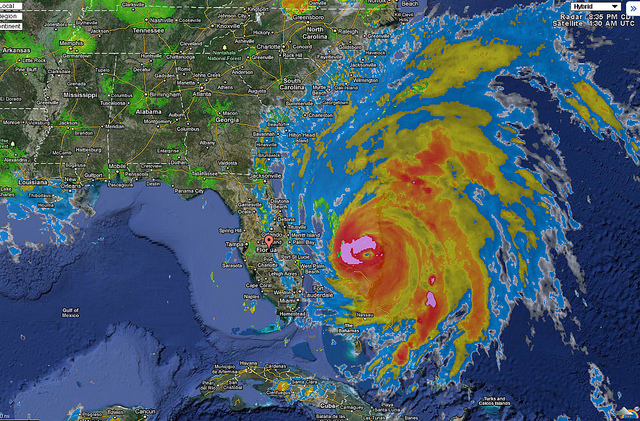
The 2026 hurricane season is fast approaching. NOAA’s outlook for the 2026 Atlantic hurricane season, which runs June 1 to November 30, predicts a 35% chance of a near-normal season, a 10% chance of an above-normal season, and a 55% chance of a below-normal season. The agency is forecasting a total of 8-14 named storms (winds of 39 mph or higher).and it looks to be another active one. At least 40% of the hurricanes that happen in the United States occur in Florida.

In order to ensure you are properly prepared this hurricane season, you should consider how you are going to supply your homes given that hurricane season begins June 1st. Don’t be caught unaware, protect yourself.

Hurricane hazards come in many forms, including storm surge, high winds, tornadoes, and flooding. History teaches that a lack of hurricane awareness and preparation are common threads among all major hurricane disasters. By knowing your vulnerability and what actions you should take, you can reduce the effects of a hurricane disaster.

Know Hurricane Terms:

Hurricane Watch – A hurricane is possible within thirty-six hours. Stay tuned for additional information.
Hurricane Warning – A hurricane is expected within twenty-four hours. You may be advised to evacuate. If so, evacuate immediately.
Storm Surge – Storm surge is simply water that is pushed toward the shore by the force of the winds swirling around the storm. This advancing surge combines with the normal tides to create the hurricane storm tide, which can increase the mean water level 15 feet or more.
Ask your local emergency preparedness office about evacuation plans. Learn evacuation routes.
  • Plan a place to meet your family in case you are separated from one another in the hurricane.
  • Assemble a disaster supplies kit ( See information below)
  • Board up windows. Permanent storm shutters and impact glass offer the best protection. Also, you can use 5/8″ marine plywood. Tape does not prevent windows from breaking.
  • Know how to shut off utilities.
  • Make a record of your personal property (take digital photos or video tape the contents of your home and/or business and keep in a waterproof container with you along with your homeowners insurance policy or better yet, upload everything to the Cloud)
  • Be sure trees and shrubs around your home are well trimmed.
  • Clear loose and clogged rain gutters and downspouts.
  • Determine how and where to secure your boat.
  • Reduce the water level in your pool by about 1 foot. DO NOT drain your pool.
  • Charge cell phones and back up batteries
  • Get extra cash since ATMs will be inoperative if power is lost.
  • Consider flood insurance and purchase it well in advance.

Have a Place To Go:

Develop a family hurricane preparedness plan before an actual storm threatens your area. If your family hurricane preparedness plan includes evacuation to a safer location for any of the reasons specified with in this web site, then it is important to consider the following points:
If ordered to evacuate, do not wait or delay your departure.
If possible, leave before local officials issue an evacuation order for your area. Even a slight delay in starting your evacuation will result in significantly longer travel times as traffic congestion and weather deteriorates worsens.
Select an evacuation destination that is nearest to your home, preferably in the same county, or at least minimize the distance over which you must travel in order to reach your intended shelter location. In choosing your destination, keep in mind that the hotels and other sheltering options in most inland metropolitan areas are likely to be filled very quickly in a large, multi-county hurricane evacuation event.
If you decide to evacuate to another county or region, be prepared to wait in traffic.
The large number of people in this state who must evacuate during a hurricane will probably cause massive delays and major congestion along most designated evacuation routes; the larger the storm, the greater the probability of traffic jams and extended travel times.
If possible, make arrangements to stay with the friend or relative who resides closest to your home and who will not have to evacuate. Discuss with your intended host the details of your family evacuation plan well before the beginning of the hurricane season.
If a hotel or motel is your final intended destination during an evacuation, make reservations before you leave. Most hotel and motels will fill quickly once evacuations begin. The longer you wait to make reservations, even if an official evacuation order has not been issued for your area or county, the less likely you are to find hotel/motel room vacancies, especially along interstate highways and in major metropolitan areas.
If you are unable to stay with friends or family and no hotels/motels rooms are available, then as a last resort go to a shelter. Remember, shelters are not designed for comfort and do not usually accept pets. Bring your disaster supply kit with you to the shelter. Find Pet-Friendly hotels and motels.
Make sure that you fill up your car with gas, before you leave.

Preparing Your Pets for Emergencies Makes Sense.

If you are like millions of animal owners nationwide, your pet is an important member of your household. The likelihood that you and your animals will survive an emergency such as a fire or flood, tornado or hurricane depends largely on emergency planning done today. Some of the things you can do to prepare for the unexpected, such as assembling an animal emergency supply kit and developing a pet care buddy system, are the same for any emergency. Whether you decide to stay put in an emergency or evacuate to a safer location, you will need to make plans in advance for your pets. Keep in mind that what’s best for you is typically what’s best for your animals.
If you must evacuate, take your pets with you if possible. However, if you are going to a public shelter, it is important to understand that animals may not be allowed inside. Plan in advance for shelter alternatives that will work for both you and your pets.
Make a back-up emergency plan in case you can’t care for your animals yourself. Develop a buddy system with neighbors, friends and relatives to make sure that someone is available to care for or evacuate your pets if you are unable to do so. Be prepared to improvise and use what you have on hand to make it on your own for at least three days, maybe longer.

Disaster Supply Kit

I personally prepare a hurricane closet in May with all the needed supplies and materials so that there is never a last minute rush to the store when the shelves have been cleaned out.
Water :
  • Plan on one gallon of water per person per day for at least 3 days, for drinking, washing, cooking, and sanitation. Extra water for pets
  • Store as much as possible in plastic containers such as soft drink bottles.
  • Avoid using breakable containers, such as glass bottles or mason jars.
  • Fill bathtubs with water for bathing and washing dishes
Food :
  • Store at least a three day supply of non perishable food.
  • Choose foods that do not require refrigeration or cooking.
  • Choose foods that are healthy and high nutrition type.  (Canned meats, fruits and vegetables, protein or fruit bars, dry cereal or granola, peanut butter, dried fruit, nuts, crackers, canned juices, non-perishable pasteurized milk, high enery foods, vitamins, food for infants and pets, comfort/stress foods)
Supplies and Equipment:
  • A battery operated radio with extra batteries
  • NOAA Weather Radio with tone alert and extra batteries
  • A flashlight with extra batteries
  • Blankets or sleeping bags ( store in trash bags to keep dry)
  • Paper plates and utensils, including a non electric can opener
  • Candles and matches in a waterproof container
  • Plastic sheeting and duct tape to shelter-in-place
  • Toothbrushes, toothpaste, soap, moist towelettes, and other personal grooming items
  • Paper towels and toilet paper
  • First aid kit and medicines ( ask your pharmacist or drug supply company for a one month hurricane supply and store in water proof container)
  • Fire extinguisher
  • Wrench or pliers to turn off utilities
  • Cell phone and plug in battery operated charger
  • Infant formula and diapers
  • Books, games and toys to keep kids occupied ( remember those batteries)
  • Important family documents such as copies of insurance policies, identification and bank account records, COVID Vaccine Passport, in a waterproof, portable container
  • Complete change of clothing including long sleeved shirt, long pants and sturdy shoes
  • Insect repellent and sun-screen
  • Paper and pencil
  • Local Maps
  • Make sure to keep all of your medications filled.

Business Preparedness

* Have an emergency communication plan in place before the storm hits. How will co-workers stay in contact if the physical location of a business is damaged?
* Turn off all non-critical work devices before the storm hits.
* Alert a third party about business evacuation plans in case a storm makes it impossible to get to your place of business.
* Protect important business documents that you may need quickly, such as property insurance policies.
* Have cash on hand to pay employees or contractors after the storm.
* Know which employees are certified in CPR, EMT, etc.
* If possible, disconnect a building’s main electrical feeds.
* Have a plan to notify all employees, post-storm, about damage and how you’ll move forward.
* Review contracts that are date sensitive and have a backup plan in place to handle potential problems.
* Assess all functions that could be impacted by a lapse in business – cash flow, bills, budgets and any upcoming events.

Beware Of Real Estate Scams

Real estate scams, including wire fraud, title theft, and fake listings, are increasingly common. Scammers impersonate professionals to steal funds or personal information, often using phishing or spoofed emails to steal closing costs or forge ownership documents. Protect yourself by independently verifying all wire instructions via phone and watching for urgent requests or too-good-to-be-true deals.

Scammers might use deepfake-generated audio or video to impersonate buyers, sellers, real estate agents, real estate lawyers, title agents or other professionals.

Common Real Estate Scams

  • Wire Fraud: Fraudsters hack emails or spoof agents/title companies to send fake wiring instructions for closing costs and down payments.
  • Title/Deed Fraud: Scammers forge documents to transfer ownership of a property into their name, often targeting vacant lots or rental properties.
  • Rental/Vacant Land Scams: Fraudsters list homes or land they do not own for rent or sale, collecting deposits from unsuspecting victims.
  • Foreclosure Relief: Scammers charge upfront fees promising to save homes from foreclosure, but do not provide any real help.
  • Loan-flipping Scam: Scammers often target seniors by convincing homeowners to refinance their mortgage repeatedly. Each time they refinance, the borrower is charged elevated fees, a high interest rate, and expensive closing costs.
  • Seller/Buyer Impersonation: Criminals pose as legitimate sellers (often via email only) to sell property quickly or pose as buyers to gather personal information.

Warning Signs and Prevention

  • Verify Independently: Always call your escrow agent or attorney to verify wiring instructions using a trusted, independent phone number before sending money.
  • Be Skeptical: Be wary of urgent, last-minute changes to financial instructions.
  • Check Property Ownership: Contact your local county recorder’s office to confirm the seller is the legal owner.
  • Inspect In-Person: Do not purchase or rent a property you have not seen in person.
  • Beware of “Too Good to Be True”: Extremely low prices or demanding quick, high-dollar payments are major red flags.
  • Work with trusted, licensed professionals. Always partner with real estate agents and lenders who are licensed and have strong reputations. If someone reaches out unexpectedly, take the time to verify their credentials before sharing any information or moving forward.

If you become a victim, report the fraud to the FBI’s Internet Crime Complaint Center (IC3) immediately, along with your bank and local law enforcement.


2025 Homeowner Tax Advantages

Homeownership comes with several tax benefits that can help reduce your federal income tax bill. Some of the key 2025 homeowner tax advantages (deductions and credits) available to homeowners include:

  1. Mortgage Interest Deduction – You can deduct interest paid on your mortgage for your primary residence (and sometimes a second home) up to a limit ($750,000 for loans taken after Dec. 15, 2017; $1 million for older loans). You will find a summary of your mortgage interest payments on Form 1098, which lenders send out around the end of January.
  2. Property Tax Deduction – Increased SALT Deduction Cap: The cap for State and Local Taxes (SALT), which includes property taxes, has been raised from $10,000 to $40,000 for taxpayers with incomes under $500,000. This provides substantial relief for those in high-tax areas.
  3. Mortgage Points Deduction – If you paid discount points to lower your mortgage interest rate when purchasing or refinancing, you may be able to deduct them.
  4. Mortgage Insurance Premiums (PMI)– Premiums for private mortgage insurance are once again tax-deductible as mortgage interest for the 2025 tax year.
  5. Home Equity Loan Interest  –  Interest on home equity loans or HELOCs is deductible only if the funds were used to buy, build, or substantially improve the home securing the loan.
  6. Home Office Deduction –  If you are self-employed and use a portion of your home exclusively for business, you can deduct a percentage of home-related expenses (utilities, insurance, etc.) or use a simplified $5-per-square-foot method.
  7. Energy-Efficient & Clean Energy Home Credits – Homeowners who install energy-efficient improvements (like solar panels, insulation, or energy-efficient windows) may qualify for tax credits. If you’ve installed new energy equipment to your home like solar panels, you may be eligible for the Residential Clean Energy Credit. That credit is worth 30% of the costs of new, qualified clean energy property that’s installed anytime from 2022 through 2032. There’s also the Energy Efficient Home Improvement Credit which covers upgrades that reduce home energy use. Improvements like insulation, central air conditioners and exterior doors may qualify. It’s a 30% credit up to $3,200 annually for changes made between 2023 and 2032 for upgrades such as heat pumps, energy-efficient windows and exterior doors. There’s even a credit available for installing electric vehicle recharging equipment at your home. The federal tax credit for EV chargers is worth 30% of the costs of the qualifying equipment, up to $1,000 per charging port.
  8. Capital Gains Exclusion – If you sell your primary home, you can exclude up to $250,000 in gains ($500,000 for married couples) from taxable income, provided you have lived in and owned the home for at least 2 or the last 5 years.
  9. Medically Necessary Home Modifications– Home modifications for medical purposes improve quality of life for those with health challenges. These adaptations make homes safer and more accessible, such as installing ramps or grab bars for mobility assistance.

This article should not be construed as professional tax advice. You need to consult with your professional tax advisor before filing your return.

Pros and Cons of Buying A Fixer-Upper

Buying a fixer-upper offers pros like lower purchase prices, less competition, and total customization for building equity, but comes with significant cons including hidden costs, major time commitments, unexpected problems (like bad wiring), and lifestyle disruptions from living through renovations, requiring deep pockets and patience to succeed. It’s a great investment if planned well but can become a “money pit” if you underestimate the work or skip due diligence like inspections.

A fixer-upper is best for those with patience, a strong budget buffer, DIY skills (or money for contractors), and a clear vision, especially if you can live in a partially completed home.

Pros of Buying a Fixer-Upper

  • Lower Purchase Price: Fixer-uppers typically cost 10% to 30% less than move-in-ready homes in the same area. This translates to a smaller down payment and lower monthly mortgage costs initially.
  • Access to Prime Locations: You can often afford the “worst house on the best neighborhood,” allowing you to move into desirable areas with top schools or transit that would otherwise be priced out of your budget.
  • Forced Equity: By improving the property, you can significantly increase its market value. If managed correctly, the final value of the renovated home can exceed your total investment (purchase price + renovation costs), building wealth quickly.
  • Full Personalization: Unlike move-in-ready homes where you pay for someone else’s style, a fixer-upper allows you to choose every finish—from the layout and flooring to the kitchen cabinetry—to match your exact taste.
  • Less Competition: Most buyers prefer “turnkey” properties, meaning have more leverage to negotiate the price or repair credits.

Cons of Buying a Fixer-Upper

  • Unexpected “Hidden” Costs: Even with a thorough inspection, opening walls can reveal expensive surprises like mold, outdated wiring, or structural issues. Experts recommend a 10% to 20% contingency fund for these surprises.
  • Complex Financing: Standard mortgages often won’t cover renovation costs. You may need specialized products like an FHA 203(k) loan or a Fannie Mae HomeStyle loan, which have stricter requirements and deadlines.
  • Timeline Disruptions: Renovations rarely finish on time. Delays from material shortages, contractor schedules, weather, or permit approvals can push your move-in date by months.
  • Lifestyle Impact: Living in a construction zone—dealing with dust, noise, and no functional kitchen—can be extremely stressful. If you choose to live elsewhere during work, you must budget for double housing costs (mortgage + rent/hotel).
  • Risk of Over-Improvement: If you spend more on renovations than the neighborhood’s ceiling value, you may struggle to recoup your investment when you eventually sell.

2026 Strategic Considerations

  • Tax Reassessments: Florida law requires that qualifying home improvements be assessed at their full market value as of January 1 following substantial completion. This means that the “Save Our Homes” (SOH) assessment cap, which limits annual increases on homesteaded properties to 3% or the Consumer Price Index (CPI), does not apply to the value of new construction or additions. To understand how a specific project might affect your property taxes, you should contact your local county property appraiser’s office, as standards can vary slightly by county.
  • Energy Credits: Look for federal or state tax credits for energy-efficient upgrades (e.g., heat pumps, solar, or insulation) to help offset costs.

The key is running your specific numbers with clear eyes, being honest about your cash reserves and available time, and understanding that sweat equity is real equity only if you actually have the skills, resources, and bandwidth to see it through.

Holiday Home Safety Tips

To ensure holiday home safety, focus on fire prevention by keeping decorations away from heat sources, inspecting electrical lights, and watering Christmas trees. Additionally, boost security by locking all doors and windows, not displaying gifts in plain sight, and making your home appear occupied when you’re away.

Fire and Decoration Safety:

  • Electrical: Inspect all holiday lights and electrical cords for damage. Replace any broken lights, and never overload circuits.
  • Decorations: Keep all decorations, especially those made of fabric, away from heat sources like fireplaces, heaters, and candles. Whenever possible, choose those made with flame-resistant, flame-retardant and non-combustible materials. Avoid trimmings that resemble candy and food that may tempt a young child to put them in his mouth.
  • Candles: Never leave burning candles unattended. Extinguish them before sleeping or leaving a room. Keep candles away from decorations and other combustible materials, and do not use candles to decorate Christmas trees.
  • Christmas trees: Keep live trees at least three feet away from heat sources, and keep the tree stand filled with water. Dispose of dried-out trees promptly. Never use electric lights on a metallic tree. The tree can become charged with electricity from faulty lights, and a person touching a branch could be electrocuted.
  • Lights: Before using lights outdoors, check labels to be sure they have been certified for outdoor use.  Plug all outdoor electric decorations into circuits with ground-fault circuit interrupters to avoid potential shocks. Turn off all lights when you go to bed or leave the house. The lights could short out and start a fire.
  • Fire safety equipment: Ensure you have working smoke and carbon monoxide detectors and that your fire extinguisher is up-to-date.

Children and Pet Safety: 

  • Poinsettias are known to be poisonous to humans and animals, so keep them well out of reach, or avoid having them.
  • Avoid decorations that resemble candy and food that may tempt a young child to put them in his mouth.
  • Keep decorations at least 6 inches above the child’s reach.
  • Avoid using tinsel. It can fall on the floor and a curious child or pet may eat it. This can cause anything from mild distress to death.
  • Keep any ribbons on gifts and tree ornaments shorter than 7 inches. A child could wrap a longer strand of ribbon around their neck and choke.
  • Store scissors and any sharp objects that you use to wrap presents out of your child’s reach.
  • Lock up: Always lock all doors and windows when you leave, even for short periods. Double-check all entry points, including basement access and the garage.
  • Conceal valuables: Do not display gifts in windows where they can be seen from the outside. After the holidays, break down expensive gift boxes before putting them out for trash collection.
  • Create occupancy: Use timers for indoor and outdoor lights to make the house look occupied when you’re away.
  • Outdoor security: Consider installing motion-sensing lights or a video doorbell for extra security.
  • Deliveries: Securely store delivered packages, or ask a neighbor to collect them if you are away. Don’t leave them sitting on your porch.

Smart Home Checklist for Homebuyers

Smart Home Technology

When purchasing a home with smart home technology, it is import for your Realtor to include a list of every item that conveys with the sale of the property in the sales contract. This includes everything from motorized shades to pool equipment and everything in between. Brand and models should be identified and any exclusions listed in detail to avoid any unexpected surprises at walk-through.

Some common devices include:

  • Motorized shades/blinds (confirm number of units)
  • Smart thermostats (e.g., Nest, Ecobee)
  • Smart lighting systems (e.g., Philips Hue, Contol4, Lutron)
  • Smart speakers (e.g., Sonos, Amazon Echo, Google Home)
  • Smart doorbells (e.g., Ring, Nest)
  • Smart security cameras (confirm number of units)
  • Smart locks (ensure all keypads and physical keys are included)
  • Smart garage door openers
  • Pool equipment with smart features like automated cleaners, heaters, lighting, and more

Account Transfers and App Setup:

Once a smart home is sold, the new owner will need to take over the existing devices by linking them to their own accounts. Before closing, the seller should:

  • Remove their accounts from all smart devices
  • Reset all devices to factory settings
  • Provide transfer instructions or QR codes to easily link the devices to the new owner’s accounts
  • Release control of any associated apps (e.g., for smart speakers, doorbells, security systems, and pool equipment)

This step ensures that the buyer can smoothly take control of the home’s systems without relying on the previous owner’s settings or subscriptions.

It would be nice if the Sellers transfer any manuals and instructions. but in today’s world, everything is online and very little printed materials convey anymore. UTube is an excellent “how to” resource as well.

No devices ccan be set-up until you have internet and WIFI access. Make sure this is one of the first appointments you schedule post-closing.

Device Warranties & Service Contracts:

A smart home can come with long-term service agreements and warranties that should be transferred to the new owner. Sellers should:

  • Transfer any active warranties or service contracts for smart devices and pool equipment to the buyer.
  • Provide details on any subscriptions or paid services (e.g., security monitoring, cloud storage for cameras, or pool maintenance) and confirm when they expire or transfer.

By ensuring these contracts are smoothly handed over, the buyer will have peace of mind knowing that their new devices are fully supported.

Final Walkthrough: Test & Handover:

Before the sale is finalized, the seller or their listing agent should demonstrate how key smart devices work during the final walkthrough. This includes:

  • Demonstrating how to control motorized shades, cameras, and audio systems
  • Testing pool equipment, such as heaters, lighting, or automated cleaners
  • Handing over physical remotes, control panels, and keypads related to smart systems

A hands-on demonstration is the best way to ensure that buyers feel confident using their new smart home features.

June Key Home Buying Trends

3621 South Ocean Town Homes for Sale in Highland Beach, Florida

Florida Consumer Sentiment Climbs Again

Economic sentiment rose 3.1 points to 84.1 in June, with all five index components improving. The biggest gains were in views of personal finances.

Two New Property Insurers Approved

Two more property insurers have been approved to operate in Florida, bringing the total to 14 since recent reforms. Officials say the market is stabilizing.

Florida Sees Surge in Commercial Real Estate

Fueled by population gains, tax advantages and a strong economy, commercial real estate investment is rising across the state, experts say.

Florida Leads in International Home Sales

International buyers purchased 78,100 U.S. homes over 12 months, reflecting a 33.2% jump from the year before and the first increase since 2017.

Luxury Market Stronger Than Ever

Industry leaders say the high-end market, particularly for homes priced above $10M, is continuing to gain strength, with all-cash deals the norm.

Florida Sees Shift in New-Home Prices

Florida is among the top states seeing new construction price declines, creating potential opportunities for buyers as builders adjust to market conditions.

Florida Ranks High Among 2025 Movers

Florida continues to attract new residents, particularly Baby Boomers, in 2025, thanks to warm weather, no income tax and affordability.

Mortgage Giants to Count Crypto as Asset

Homebuyers may soon be able to use crypto as part of their mortgage qualifications, under a new order for federally backed loan programs.

Insurance Reforms Stabilizing Florida Market

A Florida consumer group says recent reforms have reduced litigation, lowered Citizens’ policies and attracted new insurers, helping stabilize the market.

Rate, Home Price Growth Forecasts Lowered

Fannie Mae now sees slower home price growth and slightly lower mortgage rates through 2026, with modest gains expected in overall home sales.

U.S. Home Prices Down 0.2% in May

The FHFA said prices are up 2.8% from last year across the United States. In the South Atlantic census division, which includes Florida, home prices increased 1.4%.

U.S. Consumer Confidence Improves in July

Americans remain concerned about tariffs, but confidence rose two points to 97.2 in July, up from 95.2 the previous month.