
Slide 1

Serving South Florida

Slide 2
For over 40 years

Flood Insurance

Wind & Flood Insurance Essentials for South Florida Homebuyers

Homeowner's Insurance

Buying a home in South Florida means preparing for more than sunshine and coastal living. It also means understanding one of the region’s most important—and often misunderstood—aspects of homeownership: property insurance.

Unlike many parts of the country, protecting a home here often requires two separate types of coverage—windstorm insurance and flood insurance. Understanding how they work together can help you avoid costly surprises and better protect your investment.

  1. The Golden Rule: Wind and Flood Are Not the Same

The single most critical concept to grasp in South Florida is the legal and practical distinction between wind damage and flood damage. They require separate policies.

  • Standard Homeowners Insurance (HO3/HO6): Typically covers the dwelling, personal property, liability, fire, theft, and certain types of water damage (such as a burst pipe). In Florida, it may or may not include windstorm coverage depending on your proximity to the coast.
  • Windstorm Insurance: Covers damage caused specifically by wind, hail, and flying debris during a severe storm or named hurricane. Think of a roof being lifted off or a tree blowing through a window.
  • Flood Insurance: Covers rising water from the ground up. If a storm surge pushes seawater into your living room, or heavy tropical rains cause a nearby canal to overflow into your yard, only flood insurance will cover the damage.

Why The Distinction Matters: If a hurricane rolls through and your home suffers water damage, an insurance adjuster will meticulously investigate whether the water came from above (wind tore off shingles, letting rain in—Wind Coverage) or from below (rising street water—Flood Coverage). Having both policies eliminates the risk of not having coverage for potential storm damage.

  1. Crucial Considerations for Homebuyers

If you are currently shopping for a home in South Florida, insurance should be at the top of your due diligence checklist.

Know Your Flood Zone (Risk Rating 2.0)

FEMA recently updated its rating system, known as Risk Rating 2.0. Instead of just looking at broad flood zone maps (like Zone X vs. Zone AE), insurance premiums are now calculated based on individualized property risks. This includes a home’s exact foundation type, its elevation relative to the nearest water source, and the actual cost to rebuild.

Request a Wind Mitigation Inspection

Before closing, always hire a licensed inspector to perform a Wind Mitigation Inspection. This report checks how well a home is built to withstand strong winds. It looks at:

  • Roof shape (Hip roofs get the biggest discounts).
  • Roof-to-wall connections (clips, wraps, or structural ties).
  • The age of the roof covering.
  • Whether all openings (windows, doors, garage doors) have certified impact protection.

A favorable wind mitigation report can significantly reduce your windstorm insurance premium.

  1. Crucial Realities for Older Homes

Current building code requires standards that insurance companies favor and will deeply discount for.  Homes with older roofs, unprotected openings, or outdated construction features may be more difficult or expensive to insure. Because lenders require adequate insurance coverage, these issues can also complicate financing.

Understand Your Hurricane Deductible

Unlike a standard home insurance policy that features a flat deductible (e.g., $1,000 or $2,500), windstorm policies in South Florida typically utilize a percentage deductible for named hurricanes. This is usually 2%, 5%, or 10% of the home’s total insured structural value, not the loss amount.

This means if a hurricane causes damage, you are responsible for repair costs up to your hurricane deductible before insurance coverage begins. Homeowners must ensure they have this liquid cash set aside in an emergency fund.

Key Takeaways

Whether you’re buying your first South Florida home or have owned one for years, a few proactive steps can help protect both your property and your finances:

  • Obtain insurance quotes early in the home-buying process.
  • Verify the property’s flood risk and understand whether separate flood insurance is needed.
  • Request a wind mitigation inspection before closing.
  • Pay close attention to the age and condition of the roof and hurricane protection features.
  • Review your homeowners, windstorm, and flood insurance coverage annually.
  • Keep enough savings on hand to cover your hurricane deductible if a major storm occurs.

Understanding your risks before hurricane season—and before closing on a home—is one of the smartest investments you can make.

Protecting a South Florida home begins long before hurricane season. Understanding your flood risk, maintaining adequate wind coverage, and investing in proven mitigation features can save thousands of dollars while providing greater peace of mind. A little planning today can make all the difference when the next storm arrives.
2026 Hurricane Preparedness Guide

2026 Hurricane Season

2026 Hurricane Season

2026 Hurricane Preparedness Guide
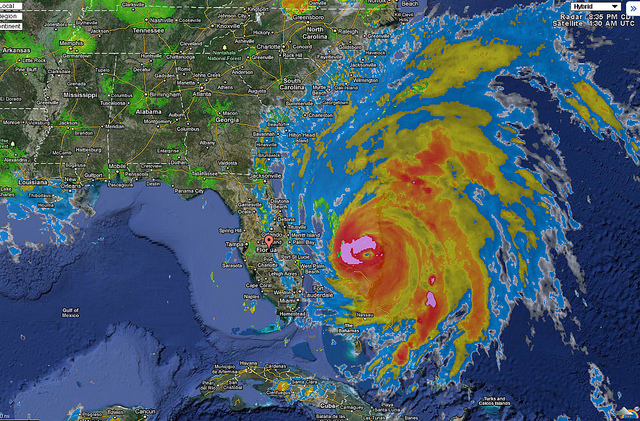
The 2026 hurricane season is fast approaching. NOAA’s outlook for the 2026 Atlantic hurricane season, which runs June 1 to November 30, predicts a 35% chance of a near-normal season, a 10% chance of an above-normal season, and a 55% chance of a below-normal season. The agency is forecasting a total of 8-14 named storms (winds of 39 mph or higher).and it looks to be another active one. At least 40% of the hurricanes that happen in the United States occur in Florida.

In order to ensure you are properly prepared this hurricane season, you should consider how you are going to supply your homes given that hurricane season begins June 1st. Don’t be caught unaware, protect yourself.

Hurricane hazards come in many forms, including storm surge, high winds, tornadoes, and flooding. History teaches that a lack of hurricane awareness and preparation are common threads among all major hurricane disasters. By knowing your vulnerability and what actions you should take, you can reduce the effects of a hurricane disaster.

Know Hurricane Terms:

Hurricane Watch – A hurricane is possible within thirty-six hours. Stay tuned for additional information.
Hurricane Warning – A hurricane is expected within twenty-four hours. You may be advised to evacuate. If so, evacuate immediately.
Storm Surge – Storm surge is simply water that is pushed toward the shore by the force of the winds swirling around the storm. This advancing surge combines with the normal tides to create the hurricane storm tide, which can increase the mean water level 15 feet or more.
Ask your local emergency preparedness office about evacuation plans. Learn evacuation routes.
  • Plan a place to meet your family in case you are separated from one another in the hurricane.
  • Assemble a disaster supplies kit ( See information below)
  • Board up windows. Permanent storm shutters and impact glass offer the best protection. Also, you can use 5/8″ marine plywood. Tape does not prevent windows from breaking.
  • Know how to shut off utilities.
  • Make a record of your personal property (take digital photos or video tape the contents of your home and/or business and keep in a waterproof container with you along with your homeowners insurance policy or better yet, upload everything to the Cloud)
  • Be sure trees and shrubs around your home are well trimmed.
  • Clear loose and clogged rain gutters and downspouts.
  • Determine how and where to secure your boat.
  • Reduce the water level in your pool by about 1 foot. DO NOT drain your pool.
  • Charge cell phones and back up batteries
  • Get extra cash since ATMs will be inoperative if power is lost.
  • Consider flood insurance and purchase it well in advance.

Have a Place To Go:

Develop a family hurricane preparedness plan before an actual storm threatens your area. If your family hurricane preparedness plan includes evacuation to a safer location for any of the reasons specified with in this web site, then it is important to consider the following points:
If ordered to evacuate, do not wait or delay your departure.
If possible, leave before local officials issue an evacuation order for your area. Even a slight delay in starting your evacuation will result in significantly longer travel times as traffic congestion and weather deteriorates worsens.
Select an evacuation destination that is nearest to your home, preferably in the same county, or at least minimize the distance over which you must travel in order to reach your intended shelter location. In choosing your destination, keep in mind that the hotels and other sheltering options in most inland metropolitan areas are likely to be filled very quickly in a large, multi-county hurricane evacuation event.
If you decide to evacuate to another county or region, be prepared to wait in traffic.
The large number of people in this state who must evacuate during a hurricane will probably cause massive delays and major congestion along most designated evacuation routes; the larger the storm, the greater the probability of traffic jams and extended travel times.
If possible, make arrangements to stay with the friend or relative who resides closest to your home and who will not have to evacuate. Discuss with your intended host the details of your family evacuation plan well before the beginning of the hurricane season.
If a hotel or motel is your final intended destination during an evacuation, make reservations before you leave. Most hotel and motels will fill quickly once evacuations begin. The longer you wait to make reservations, even if an official evacuation order has not been issued for your area or county, the less likely you are to find hotel/motel room vacancies, especially along interstate highways and in major metropolitan areas.
If you are unable to stay with friends or family and no hotels/motels rooms are available, then as a last resort go to a shelter. Remember, shelters are not designed for comfort and do not usually accept pets. Bring your disaster supply kit with you to the shelter. Find Pet-Friendly hotels and motels.
Make sure that you fill up your car with gas, before you leave.

Preparing Your Pets for Emergencies Makes Sense.

If you are like millions of animal owners nationwide, your pet is an important member of your household. The likelihood that you and your animals will survive an emergency such as a fire or flood, tornado or hurricane depends largely on emergency planning done today. Some of the things you can do to prepare for the unexpected, such as assembling an animal emergency supply kit and developing a pet care buddy system, are the same for any emergency. Whether you decide to stay put in an emergency or evacuate to a safer location, you will need to make plans in advance for your pets. Keep in mind that what’s best for you is typically what’s best for your animals.
If you must evacuate, take your pets with you if possible. However, if you are going to a public shelter, it is important to understand that animals may not be allowed inside. Plan in advance for shelter alternatives that will work for both you and your pets.
Make a back-up emergency plan in case you can’t care for your animals yourself. Develop a buddy system with neighbors, friends and relatives to make sure that someone is available to care for or evacuate your pets if you are unable to do so. Be prepared to improvise and use what you have on hand to make it on your own for at least three days, maybe longer.

Disaster Supply Kit

I personally prepare a hurricane closet in May with all the needed supplies and materials so that there is never a last minute rush to the store when the shelves have been cleaned out.
Water :
  • Plan on one gallon of water per person per day for at least 3 days, for drinking, washing, cooking, and sanitation. Extra water for pets
  • Store as much as possible in plastic containers such as soft drink bottles.
  • Avoid using breakable containers, such as glass bottles or mason jars.
  • Fill bathtubs with water for bathing and washing dishes
Food :
  • Store at least a three day supply of non perishable food.
  • Choose foods that do not require refrigeration or cooking.
  • Choose foods that are healthy and high nutrition type.  (Canned meats, fruits and vegetables, protein or fruit bars, dry cereal or granola, peanut butter, dried fruit, nuts, crackers, canned juices, non-perishable pasteurized milk, high enery foods, vitamins, food for infants and pets, comfort/stress foods)
Supplies and Equipment:
  • A battery operated radio with extra batteries
  • NOAA Weather Radio with tone alert and extra batteries
  • A flashlight with extra batteries
  • Blankets or sleeping bags ( store in trash bags to keep dry)
  • Paper plates and utensils, including a non electric can opener
  • Candles and matches in a waterproof container
  • Plastic sheeting and duct tape to shelter-in-place
  • Toothbrushes, toothpaste, soap, moist towelettes, and other personal grooming items
  • Paper towels and toilet paper
  • First aid kit and medicines ( ask your pharmacist or drug supply company for a one month hurricane supply and store in water proof container)
  • Fire extinguisher
  • Wrench or pliers to turn off utilities
  • Cell phone and plug in battery operated charger
  • Infant formula and diapers
  • Books, games and toys to keep kids occupied ( remember those batteries)
  • Important family documents such as copies of insurance policies, identification and bank account records, COVID Vaccine Passport, in a waterproof, portable container
  • Complete change of clothing including long sleeved shirt, long pants and sturdy shoes
  • Insect repellent and sun-screen
  • Paper and pencil
  • Local Maps
  • Make sure to keep all of your medications filled.

Business Preparedness

* Have an emergency communication plan in place before the storm hits. How will co-workers stay in contact if the physical location of a business is damaged?
* Turn off all non-critical work devices before the storm hits.
* Alert a third party about business evacuation plans in case a storm makes it impossible to get to your place of business.
* Protect important business documents that you may need quickly, such as property insurance policies.
* Have cash on hand to pay employees or contractors after the storm.
* Know which employees are certified in CPR, EMT, etc.
* If possible, disconnect a building’s main electrical feeds.
* Have a plan to notify all employees, post-storm, about damage and how you’ll move forward.
* Review contracts that are date sensitive and have a backup plan in place to handle potential problems.
* Assess all functions that could be impacted by a lapse in business – cash flow, bills, budgets and any upcoming events.

HB-1049:New Flood Insurance Disclosure Requirement

A new Florida law requires people who sell their home must disclose to buyers if they’ve ever filed a flood insurance claim or received federal assistance related to flood damage. It currently applies to homeowners and excludes landlords.

Before HB-1049, property owners and real estate agents selling homes in Florida did not have to tell buyers about a property’s risk for flooding.

It is no secret that Florida has a history of extreme weather and flooding. Nevertheless, sellers were not required to disclose the flood tendencies and risks associated with their homes prior to October 1, 2024. Enter HB 1049, which bridges this gap by requiring explicit flood disclosures in real property sales.

Sellers must inform buyers of the following:

  • Flood insurance disclaimer. The form clarifies that homeowners’ insurance does not cover flood-related damage and encourages buyers to secure separate flood insurance.
  • Flood claims and assistance. Sellers must disclose whether they have filed claims or received federal assistance for flood damage, including from FEMA or the National Flood Insurance Program (NFIP).

For the purposes of the disclosure, the bill defines “flooding” as the general or temporary overflow of inland or tidal waters, surface water accumulation, or sustained standing water from rain.

Property insurance and flood insurance are two separate policies. I have always advised my clients to purchase flood insurance regardless of whether or not their home is in a FEMA designated flood zone. Weather in Florida is unpredictable and with climate change, more areas that never were prone to flooding can now be in a situation where there is historical rain fall in a short period of time.  Since we are at sea level, there is no place for the water to quickly disburse and will rise in the streets and lakes.

HB 1049 signals a change in the tides for the Florida real estate market, offering buyers a clearer view of potential flood risks and fostering much-needed transparency in residential property sales.

Government Shutdown’s Effect on Real Estate Market

While a government shutdown won’t stop people from buying and selling homes, the ripple effects across the economy could be disruptive, especially if it drags on.

Some expect to see delays around mortgage loans, particularly if the shutdown isn’t resolved quickly. Zillow estimates around 2,500 originated loans would be delayed per working day. Homebuyers applying for a government-backed mortgage from the Federal Housing Administration would face processing delays.

A government shutdown could also delay mortgage loan approval for other reasons. In areas where flood insurance is required, for example, buyers could be stalled if the National Flood Insurance Program were to pause operations.

  • Delayed Loan Processing- Some federal agencies, such as the Federal Housing Administration (FHA), may operate with reduced staffing or close entirely. This can lead to delays in loan approvals and processing, affecting both homebuyers and sellers. It’s essential to inform your clients about the possibility of extended timelines.
  • Verification and Documentation- Many mortgage applications require verification of income, tax returns, and other documentation from government agencies. If these agencies are affected by a shutdown, obtaining necessary documents may become more challenging, further slowing down the mortgage approval process.
  • National Flood Insurance Program (NFIP)– The NFIP is vital for many homeowners in flood-prone areas, as lenders often require flood insurance for mortgage approval. A government shutdown could impact the availability of NFIP policies and affect property transactions in flood-prone regions.
  • IRS and Tax TranscriptsThe Internal Revenue Service (IRS) provides tax transcripts required for mortgage applications. The IRS would remain funded through the Inflation Reduction Act, but obtaining these transcripts may become difficult, potentially leading to delays in loan processing and closing.
  • Appraisals and Inspections- Government shutdowns may disrupt the scheduling of appraisals and inspections, as federal agencies oversee certain aspects of these processes. Delays in these areas can lead to extended closing times and may affect contract deadlines.
  • Market Uncertainty- A prolonged government shutdown can create uncertainty in the real estate market, causing some buyers and sellers to delay their transactions until stability is restored. This could result in slower market activity and potential fluctuations in home prices.
  • Economic Confidence- Government shutdowns can erode consumer and investor confidence in the economy. If potential buyers and investors become hesitant due to political uncertainty, it may impact the overall demand and stability of the real estate market.

Tips to Reduce Home Insurance Costs in South Florida?

Homeowner's Insurance
Are you a home buyer in Florida looking to save money on your insurance costs? Here are some expert tips to help you reduce your home and wind insurance expenses.
Shop Around: Don’t settle for the first insurance quote you receive. Take the time to compare prices from multiple insurers. By doing so, you can find the best coverage at the most competitive rates.
Increase Deductibles: Consider raising your deductibles to lower your premium. While this means you’ll pay more out of pocket in the event of a claim, it can significantly reduce your monthly insurance costs. Make sure you take on a deductible that won’t leave you financially overwhelmed when you need to make a major claim.
Improve Home Security: Installing security measures such as alarms, deadbolts, and smoke detectors can make your home safer and lower your insurance premiums. Insurers often offer discounts for homes with enhanced security features.
Bundle Policies: If you have multiple insurance needs, consider bundling your auto, umbrella, home and wind insurance with the same provider. This can lead to substantial savings on your premiums.
Maintain a Good Credit Score: Believe it or not, your credit score can affect your insurance rates. Pay your bills on time, keep your credit utilization low, and regularly check your credit report for errors to maintain a good credit score and potentially lower your insurance costs.
Consider Wind Mitigation Measures: Living in Florida means being prepared for hurricanes. By fortifying your home against wind damage with measures like impact-resistant windows and reinforced roof trusses, you can qualify for wind mitigation discounts.
Avoid Making Small Claims: While insurance is designed to protect you from significant financial losses, making multiple small claims can lead to higher premiums. Consider handling minor repairs out of pocket to avoid impacting your insurance rates.
Look for Discounts: t’s easy to miss a discount you’re eligible for. Homeowners often have the stress of the home-buying process in the background when they get coverage, meaning insurance could be one thing hurriedly checked off the list. You can qualify for discounts if you:
  • Have a residence with no smokers
  • Pay your premium upfront
  • Pick paperless billing
  • Sign up for automatic payments
Remember, every insurance policy is unique, so it’s essential to speak with a qualified insurance agent to find the best ways to lower your home and wind insurance costs in Florida. Don’t let high premiums take away from the joy of homeownership – take action today and start saving!

Hurricane Preparedness Before Your Vacation

As a Floridian, you already know the drill: hurricane season runs June 1 through November 30 each year, and certain hurricane preparations are needed to protect your home when storms appear to be heading your way. But what happens if you are some distance away, or even out of state, when this occurs? You can still prepare ahead of time – and a few extra steps is all it takes to secure your home while you’re away.

Performing the following hurricane preparation before vacation will allow you to relax and enjoy family time, or the scenery wherever you’re vacationing.

Insurance Coverage. Every year, you should review your homeowners, flood, and wind insurance policies to make sure you will have the coverage you need should your home be in the path of the next major hurricane or storm surge. Ideally, this is done before hurricane season begins, but should absolutely be done before you leave on vacation.

Home Safety Measures. Whatever hurricane preparedness you might normally do if you were home when a storm was approaching, do before you leave on vacation. This includes closing/installing your hurricane shutters, trimming trees, and bringing in any outdoor furniture or other items subject to becoming projectiles during a hurricane. Doing all of this before a storm is even on the horizon might seem like overkill – but the peace of mind it provides should bad weather threaten while you’re away will be priceless. Especially since you won’t be able to do much from a distance.

Electronics, Water & Gas. Consider unplugging valuable electronics and appliances to avoid potential power surges as the result of a hurricane or tropical storm. Alternatively, you could opt to turn the power off at the breaker. To avoid potential leaks, you may also want to consider turning off the main water and gas valves to your home.

Inform a Trusted Neighbor or Friend. Let someone you trust know about your vacation plans, including when you’ll be away, how you might be contacted, and any relevant details about your home security or other systems. They may be able to keep an eye on your home in your absence should a hurricane develop.

Ready the Emergency Kit. Stock up on supplies you would rely on if you were home during a hurricane, such as flashlights, batteries, first-aid kits, nonperishable food, and an ample supply of bottled water. This hurricane preparedness will be helpful if you return home without power or access to supplies are limited. Store a small version of this kit in your car, and top off the tank.

Have a Backup Plan. Should you be unable to get to your home upon your return from vacation, or if your home is damaged by a hurricane or tropical storm, have a contingency plan of possible friends or nearby locations you may be able to shelter in until your home is safe to return to.

Stay Informed. Even with all the right hurricane preparedness before you leave on vacation, you’ll want to monitor weather conditions from afar, especially once a hurricane or tropical storm has been identified. You’ll be able to make the best decisions when they are informed by as much information – and preparation – as possible.

Confused About Flood Insurance?

The National Flood Insurance Program is a pre-disaster flood mitigation and insurance protection program designed to reduce the escalating cost of disasters. The National Flood Insurance Program makes federally backed flood insurance available to residents and business owners. Standard flood insurance by the National Flood Insurance Program generally covers physical damages directly caused by flooding within the limits of the coverage purchased. Private providers may have higher limits or broader coverage compared to National Flood Insurance Program policies.
A flood insurance policy is intended to cover physical damage to your building or personal property “directly” caused by a flood. Flood insurance covers damage caused by hurricanes, rivers, and tidal waters. Flood insurance covers water that rises, wind insurance covers water damage cause by blowing water, rain, etc. that enter or damage the property due to wind damage to the property.
Flood insurance rates are determined by several factors, including:
  • The amount and type of coverage
  • Location and flood zone
  • Design and age of your home
  • Elevation (for homes in high-risk areas built after the first Flood Insurance Rate Maps were drawn)
Losses due to flooding are not covered under most homeowners’ insurance policies. It is recommended that homeowners add a Florida Flood Insurance policy to ensure complete protection of your home in case of a hurricane strike.
In some flood zones, flood insurance is affordable at about $1.40 per day (average is $503 per year), and the U.S. government provides a 100% guarantee.
Flood insurance typically requires a 30-day waiting period on new policies. Here are the exceptions:
  • If flood insurance is being purchased in connection with the creation, increasing, extending, or renewing of your mortgage loan.
  • If your home has been recently designated in the SFHA and flood insurance is being purchased within the 13-month period following a map revision.
  • If flood insurance is required because of a lender determining that your mortgage loan that does not have flood insurance coverage should be protected by flood insurance.
  • If an additional amount of insurance is selected as an option on the renewal bill.
  • If your home is affected by flooding on burned Federal land that is a result of, or is exacerbated by, post-wildfire conditions when the policy is purchased within 60 days of the fire containment date.
Flood risk zones are identified by the National Flood Insurance Program (NFIP) and are divided into the following three categories:
High-Risk Zone
There is at least a 25% chance of flooding during a 30-year mortgage. All homeowners in high-risk zones with mortgages from federally regulated or insured lenders are required to purchase flood insurance.
Zones: A, V
Moderate to Low-Risk Zone
The risk of flooding is reduced but not completely removed. Even if you live in a moderate-to-low-risk zone, it’s recommended that you purchase flood insurance. About 25 percent of all flood insurance claims come from areas with low-to-moderate flood risk. On average, only two inches of water in your home can cause $7,800 or more in damage. Poor drainage systems, rapid rainfall accumulation, and broken water mains can all result in flooding.
Zones: B, C, or X
Undetermined Risk Zone
No flood-hazard analysis has been conducted, but a flood risk still exists. Flood insurance rates reflect the uncertainty of the flood risk.
Zone: D
Only a licensed property and casualty insurance agent can sell NFIP flood insurance. Customers can find a local one using FEMA’s Agent Locator Tool.

How To Save On Homeowner’s Insurance

Homeowner's Insurance
Homeowner’s insurance costs are increasing nationwide and is becoming a larger expenditure in the homeowner’s budget.
Florida homeowners insurance costs vary depending on where you live, the age of your home, your home’s characteristics, and other factors. In addition to the cost of the home, the on-going expense of insuring a property should be a consideration when selecting the home you want to purchase. It may prove beneficial to purchase, for a little more money, a new home with impact glass, a new roof, updated plumbing and electrical and one that is not frame construction.
Several factors affect how much homeowner insurance costs and you can make informed decisions in advance of purchasing a home to minimize the cost of insurance.
Location:  
The closer you are to the ocean or Intracoastal waterway or if you are in a flood zone will certainly increase the risk of water damage and insuring a home.
The amount of coverage and replacement cost:
What you paid for your home has no impact on what you need to insure your home for. The sales price of your home includes land and land cannot be insured for fire, wind, theft, etc.
Furthermore, the market value can be based upon location, age and how strong or weak the market is. That is why it is very important that you insure your home for the replacement cost value of your home or what it would cost to rebuild your home brand-new with current building codes and materials.
Your home’s age and condition:
Your insurance premium may be higher if you have a home that was built before 2000 and the advent of stricter building codes. One reason is that older homes often have features or construction materials that not as weather resistant as newer construction. Another reason is that older homes may have outdated plumbing or electrical systems that insurers view as higher risk. The home’s condition is also important, even if it’s newer. Insurers often pay special attention to the roof, roof configuration, roof systems, etc. because leaks due to a worn-out roof can cause expensive damage inside your home.
Home Design and Upgrades:
Features of the home you are buying, such as impact glass or storm shutters, reinforced roofing and updated utilities can decrease insurance costs. If you already own a home, these types of improvements can help decrease the risk for fire and water damage.
In addition, given that Florida is a hurricane prone state, Florida requires companies to offer discounts through wind-mitigation improvements.
Discounts are available for the following safety features:
  • Roof Shape
  • Roof Bracing of Gable End Roof Deck Attachment
  • Roof Covering
  • Roof-to-Wall Connections
  • Secondary Water Resistance
  • Doors
  • Protection of Openings (windows and other openings)
The initial costs for adding a few of these features can be high, but the long-term financial investment can decrease your Florida homeowner’s insurance coverage costs and make your home safer.
If your house presently has any of these features, you may want to have a home wind-mitigation examination completed to submit to your insurance agent or company to add the additional discounts.
Home security and safety features:
Some companies will offer discounts for having a smoke alarm, alarm system or dead-bolt locks, however a number of companies provide additional discounts if you install a home home generator and/ or a fire and burglar alarm that rings at a monitoring station. These systems can be costly and not every system qualifies for a discount rate. Before you decide to buy such a system, discover what kind your insurer suggests, how much the device will cost and how much you will save on your premiums.
Your credit history:
Establishing a solid credit history can cut your insurance coverage costs. Many customers do not recognize that credit is a factor in how insurance providers evaluate you. Many people do not understand the impact credit plays in insurance coverage and well as mortgage costs, but Insurers have found that policyholders with poor credit tend to make more claims and spend less to maintain their properties.
Due to this finding, most insurance companies reward a favorable credit history with extra discounts, once again lowering your homeowner’s insurance premium.
Your deductible:
Increasing your deductibles will help lower your premium.    Insurance is to cover you for large catastrophic events; by increasing your deductible you will be saving every year. Just make sure you’ve set aside enough money to cover a larger deductible if you need to file a claim—and to cover more minor repairs on your own.
Additional Discounts:
Insurance Companies might offer additional internal discounts. Not every company offers the exact same discounts, and these types of discounts will vary by company if available.
These discounts might include:
·      Discounts for seniors or retirees
·      Gated Community Discounts
·      Accredited Builder Discounts
·      Newer Roof Discounts
·      Companion Policy Discounts
·      Electronic Policy Distribution Discounts
·      Bundling with auto insurance
Your local agent will usually review these with you, but it is also a good idea to evaluate your quote and ask if any extra discounts might be available.
Shop around:
If you’re buying homeowners insurance for the first time, comparing options among several providers is essential. However, don’t focus exclusively on price. It’s also vital to research claims satisfaction among policyholders and exactly what the limits for your coverages are (mold, sinkhole, sewage back-up, et. al.)
Also, when you inquire about a homeowner’s policy, consider your customer experience. Is the agent willing to answer all your questions, discuss your options, and help you decide on a policy that suits your needs?

Florida Closing Cost Primer for Buyers

Florida Closing Costs

Closing costs are inevitable when you’re buying or selling a property. While they vary from state to state, the amount you’ll pay in Florida depends on both the property and the county it sits in. As a buyer, you’ll have to cover most of the fees and taxes.  In Florida, you’ll also have to post a fee for documentary stamps (or doc stamps), which is a percentage of the sales price. Then there are the taxes. You’ll likely be subject to property and transfer taxes.

Neither party is responsible for 100% of the closing costs in Florida, which includes fees, taxes, insurance costs and more. The buyer typically pays between 3% to 4% of the home loan’s value and is responsible for the bulk of the fees and taxes. The seller usually pays between 5% to 10% of the home’s sale price. Closing costs also vary among counties.

Condos are regulated by the Florida Condominium Act. The legislation lays out your rights to the property and gives you an “undivided interest” in all the common areas of the building. You’ll have to pay a monthly maintenance fee or a yearly homeowners association fee to cover the servicing of those areas that fall under the “undivided interest.” The fee isn’t tax-deductible.

If you are getting a mortgage The fees shown on the Good Faith Estimate can be difficult to understand but can be broken down into five sections.

One-time fees

  • Appraisal fee
  • Reinspection fee
  • Credit application, credit report and credit supplement fees
  • Mortgage origination fee
  • Lender’s title insurance policy (optional owner’s title insurance)
  • Escrow fee
  • Home inspection fee (optional)
  • Closing attorney fee
  • Courier fee
  • Bank processing fee
  • Recording fee
  • Notary fee
  • Loan discount points

Recurring fees

  • Homeowners insurance
  • Property taxes and tax servicing fees
  • Mortgage insurance premiums
  • Flood certification fee (in some areas)

Appraisal fees

Lenders typically require an appraisal as part of the underwriting process, before financing a home purchase. Appraisals will vary in price depending on the location and size of the property. The lender hires an appraiser to provide the fair market value of the home, and the buyer pays the lender.

Mortgage origination fee

Every lender will charge a mortgage origination fee, which covers their service and administrative costs. The average loan origination fee is 1% of the total loan amount. Buyers should shop for lenders with both experience and low origination fees.

Title insurance policy fees

Lenders typically require borrowers to purchase insurance to protect the financial institution from future title claims. This policy is called lender’s title insurance and the cost depends on the location and size of the property.

Owners title insurance protects the Buyer from future claims against the title.  The customary party that pays for the Owners Title Policy varies by County in Florida.  In Sarasota,Collier, Miami-Dade and Broward County, the Buyer pays for title insurance and chooses the title company.  In all other counties, it is the Seller’s responsibility.

Escrow fees

During the purchase and sale transaction, your funds will enter a holding account managed by a third party — an escrow company. When the transaction is complete, the escrow representative will disperse your down payment, fees, and loan proceeds to the appropriate individuals.

Home inspection fee

A home inspection is a common contingency for a home purchase. As the buyer, you can hire an inspector to evaluate the condition of the home and its systems prior to purchase. Home inspection costs vary depending on the size and age of the property. You will pay the inspector for their service out-of-pocket, and this amount is separate from the purchase and sale transaction.

Attorney Fees

Florida is a Title Theory state and does not require that an attorney be used to close a real estate transaction.  Private real estate attorneys, or borrower’s attorneys, are an additional and optional cost for buyers who want a specialist to assist them with contract-related issues or professional advice beyond the scope of their agent’s abilities. Private real estate attorneys charge by the hour or charged a fixed rate for the transaction and rates vary based on their level of expertise and services provided.

Documentation fees

During a financed home purchase, several institutions need to process information and create official records.

  • The courier fee allows lenders to send your documents to necessary parties
  • The bank processing fee pays the bank for handling the necessary loan documentation.
  • The lender uses the recording fee to pay the county to file a public record of the transaction.

Loan discount point fees

When locking your interest rate with your lender, you’re allowed to buy down the rate. To do this, you pay “points” — essentially, paying interest in advance. One point is equal to 1% of the loan; but that does not translate to a 1% drop in interest rate. Not all buyers choose to buy down their interest rate, but when they do, the rates vary by lender.

Homeowners’ insurance

As a stipulation of your financing, you will be required to purchase homeowners’ insurance. You will continue to pay the insurance premium on a yearly or twice-yearly basis directly to your insurer, or monthly via an escrow payment that is part of your monthly mortgage payment to your loan servicer. Homeowners insurance policy fees range based on the amount of coverage and the size of the property.

Property taxes

Your property taxes will be prorated based on your closing date. Some buyers pay their taxes in lump sums annually or biannually. If you don’t pay this way, you might escrow the taxes, which means they would be included as an escrow line item in your monthly mortgage payment to your loan servicer. Property taxes are paid in arrears in Florida.


Mortgage insurance premiums

If your loan amount is more than 20% of the value of the home, you are typically required to pay insurance to protect your lender’s investment. Mortgage insurance is generally escrowed but may vary from lender to lender. Some lenders will also charge a one-time application fee for mortgage insurance.

Flood insurance

Depending on the location of your property, you may also be obligated to purchase flood insurance to help protect your lender’s investment. Flood insurance policies range by risk level, based on location and are a Federal Program and the pricing cannot be competitively shopped for.

What are the closing costs for cash buyers?

Cash buyers are still required to pay for things like notary fees, property taxes, recording fees, and other local, county and state fees. Unlike a buyer who is using financing, cash buyers won’t have to pay any mortgage-related fees. But most cash buyers still opt to pay for things like appraisals, inspections, and owner’s title insurance.

Closing costs can vary depending on where you live in Florida, the type of property you buy and how much it sells for. While the seller forks over some money, the buyer pays for the bulk of the fees and taxes, which typically add up to 2.5% of the average sale price depending on the time of year you close ( proration sensitive).