

Slide 1

Serving South Florida

Slide 2
For over 40 years

Relocation

Tips For Moving With Pets

So, you’re moving to a new home. Congratulations! Whether you’re traveling across town or across the country, here are some tips for making moving day as easy and stress-free as possible for the entire family, including your beloved pets.


  • Prior to moving day, make sure your pets are fitted with collars and ID tags with your name and current cell-phone number. Micro-chipping is also recommended and will serve as a backup if your pet loses its collar.
  • If your pet is prone to car or airsickness, make sure you visit your veterinarian a few weeks prior to your move to get any prescribed medications and feeding recommendations.
  • Ask you current veterinarian to make a recommendation for a new pet in the area you are moving to.  Ask for copies of all of their inoculation records and keep them handy.
  • Make sure you fill at least one week’s worth of your pet’s prescriptions since you will not have developed a relationship with a vet the minute you move in.
  • For long-distance moves, be sure to identify pet-friendly hotels along your route and reserve rooms ahead of time. For a list of pet-friendly hotels, see www.petswelcome.com or www.pet-friendly-hotels.net.
  • On moving day, make sure your pets are secured in a crate or closed room of your house or apartment until you are ready to load them into your car. The activities and sounds of moving day will be frightening to your pets, so it is important that they be kept in a secure area to reduce their stress as much as possible and to prevent an accidental escape.
  • Always transport cats, small dogs and other small animals in a secure, well-ventilated pet carrier. Take the time to familiarize your pet with the container in advance of the move.
  • Keep larger dogs leashed and under control at all times. The stress of a move can cause even the most obedient dog to run away in unfamiliar surroundings. NEVER transport any pet in an open truck bed, trunk of a car or storage area of a moving van.
  • Prepare a pet first aid kit, including your vet’s phone number, gauze to wrap wounds or muzzle for your pet, adhesive tape, non-stick bandages, towels and wipes, and hydrogen peroxide.
  • When you arrive at your new home, set up the things your pet will need immediately and are familiar with such as their water and food bowls, toys, bedding and litter box.


For long-distance moves, make sure you give your pet potty breaks and fresh water whenever you stop for a break yourself. Make sure pets are leashed at all times during potty breaks.

TRID: What it means for you as a Homebuyer

On November 13, 2013, the Consumer Financial Protection Bureau issued a rule regarding changes to current early disclosure and closing documentation used on mortgage loan transactions. Anyone in the real estate or mortgage industry should understand that new regulations called TRID (TILA/RESPA Integrated Disclosures) and how they will have an impact on the timing and notifications required throughout the closing process.

But what does TRID mean for you as a homebuyer? If you have previously bought or sold a home, you’ll see two main changes: forms and closing deadlines.

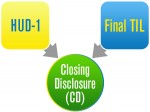
Forms. The Truth-in-Lending Statement and Good Faith Estimate will be replaced by a new Loan Estimate. The Final Truth-in-Lending Statement and HUD-1 documents will be replaced by the Closing Disclosure.

These forms have been changed to provide the buyer with a clearer picture of the costs involved with mortgage financing, and to give the buyer more time to review and accept these terms. These changes originate from the CFPB (Consumer Financial Protection Bureau) as part of the Dodd-Frank Act. The standard real estate contacts are changing as well to reflect the dates and timing of obtaining a loan.

What is most important is the impact on the time it may take to schedule a closing under these new rules. Buyers must receive and acknowledge their Closing Disclosure at least 3 business days prior to the closing. This will require more coordination and communication between agents, closing attorneys and lenders to ensure this takes place. It is very important to make sure you are working with an informed team of agents, closing attorneys and lenders in order for the process to go as smoothly as possible.

Keep these three primary areas in mind while preparing yourself for the home buying process if you are planning on getting a mortgage:

  1. The old forms are out.


The homebuyer will be receiving new disclosure forms from lenders explaining the loan estimate and loan closing. The Loan Estimate form combines the Good Faith Estimate (GFE) and the Truth in Lending Disclosure into a shorter form that should be easier to understand and explains the mortgage loan’s key features, costs and risks at the beginning of the mortgage process.

Under TRID, a lender cannot impose any fee, except a reasonable fee for obtaining a consumer’s credit report, on a consumer until the consumer has received the loan estimate and has indicated intent to proceed. This should make it easier for a consumer to shop for and understand interest rates, but it might take lenders longer to preapprove someone because they are going to be extra careful when collecting and reviewing borrower information.

The Closing Disclosure form combines the final Truth-In-Lending statement and the HUD-1 settlement statement into a shorter form that should be easier for the consumer to understand and provides a detailed account of the entire real estate transaction, including terms of the loan, fees and closing costs.

This disclosure might transform the closing table from a nightmare experience with piles of documents to review for the first time into a more manageable, slightly bad dream of reviewing the information ahead of time.

With more information provided by the lender before the closing date, the various roles held by the lender and title company at the closing table might change. Stay tuned.

2. The disclosures must be provided within a specific time frame — or else.

 Lenders must provide the Loan Estimate form to consumers within three business days of applying for a loan – which means three business days after the consumer provided the lender with their name, income, Social Security number, property address, property value estimate and mortgage loan amount sought.

The Closing Disclosure form must be provided at least three business days before loan consummation (the time the consumer becomes contractually obligated to the mortgage, which is usually at closing).

Any significant changes to the loan terms (the annual percentage rate (APR) becomes inaccurate, the loan product changes or a prepayment penalty is added) will restart a new three-business-day waiting period. Both the Loan Estimate and Closing Disclosure forms can be delivered in person, by mail or electronic delivery.

3. The closing process will be impacted this in the months to come.

 The TRID rules apply only to loan applications received after Oct. 3. Lenders will be extra careful and hesitant after this date, while providing mortgages so as not to be out of compliance with the new rules. This will most likely translate to longer timelines to get a mortgage and will delay closing dates.

This, in turn, will impact the tight timelines around moving into a home while consumers are also coordinating assets, move-in dates, time off of work and so on.

Plan for extra time to close while everyone tests out the new system and becomes familiar with new regulations and how to work together and train staff. If you are a Buyer, look for agents, attorneys and lenders that are using electronic disclosures and e-signatures. This will dramatically shorten the loan process by almost two weeks as compared with those that are relying on the US Mail.

Many common real estate practices that you have experienced in the past will be more difficult or even impossible after October 3. Critical issues like dates per the sale agreement and how changes to the deal will impact timing may cause delays because of the three-day rule and the requirement that lenders now prepare the CD. The need for Title companies and real estate agents to submit information much earlier in the process will definitely add more hurdles to jump over to close a transaction.

In my opinion, CASH transactions, will carry a much higher level of negotiation leverage for the next several months until this process becomes the norm.


2015 – The Year of the Boomerang Buyer

This year is already shaping up to be the year of the boomerang buyer, or the repeat homebuyer.  As it is now seven years since the housing crash, there are many buyers who experienced a financial hardship in the recent past who are getting back into the market to purchase a home again in 2015.

There were several changes recently to the waiting periods when a buyer or homeowner can obtain a new mortgage and repurchase a home again after a foreclosure, short sale or bankruptcy.  Borrowers today essentially have three options when it comes to obtaining financing to purchase a home. In fact, more than 9 out of 10 mortgages are either funded by Fannie Mae/Freddie Mac, the FHA or VA. So, if you are looking to purchase and need financing, it is more than likely you will be using one of these three financing options and it is important to know the current waiting periods when you can repurchase after a hardship.

After Foreclosure:

  • Conventional: Seven years. If you included the foreclosure in a bankruptcy, you can qualify after four years instead of seven years.
  • FHA: Three years. FHA buyers can qualify again after just one year if they experienced an economic event.
  • VA: Two years.

After Short Sale:

  • Conventional: Four years.
  • FHA: Three years. If the FHA buyer did not have any late payments before their short sale, they are allowed to automatically qualify again for FHA financing. There’s also a fantastic FHA program called the FHA Back to Work Program. If a buyer experienced an “economic event” whereby their household income fell by 20 percent or more for a period of at least six to 12 months, the agency has now reduced the waiting period to only one year.
  • VA: Two years.

After Bankruptcy:

  • Conventional: Chapter 7, four years; Chapter 13, two years.
  • FHA: Chapter 7, one year; Chapter 13, one year.
  • VA: Chapter 7, two years; Chapter 13, one year.

What if you don’t fit into these rules?

There are new mortgage options available for borrowers who do not fit these more traditional mortgage options above. Portfolio lenders are stepping in to provide mortgage options for buyers who cannot qualify for conventional, FHA and VA financing, and with terms much better than private financing.

There are lenders who will provide financing for buyers less than six months out of a foreclosure, short sale or bankruptcy. Of course, this does not come without a price. You need a larger down payment and rates will be higher than traditional loans.

Another part of the puzzle to helping you get in a position to repurchase again is ensuring you have also started to re-establish your credit since the financial hardship.

For example, even though the required timeline of say two or three years may have passed so you can qualify for conventional or FHA financing again, it is important you have also started to rebuild your credit and have the required credit scores to qualify again for financing. The FHA and VA only require a 580 credit score to repurchase again.

The first step is to get a copy of your credit report to verify if the financial hardship or discharge is reporting correctly and to also see what your scores are.

You can go to www.annualcreditreport.com to get a free copy of your credit report (consumers are allowed one free credit report per year).

Then the next step is to start rebuilding your credit scores.


Advice For Millennial Homebuyers


If you are in your 20s and 30s and have ever even considered buying a home, you are positioned to take advantage of record low interest rates. Even if you have just graduated with student loan debt, have not saved the traditional 20% down payment, and worry that there are no homes available to purchase for people in your situation, you may be wrong.

Today mortgage brokers, bankers and direct lenders are lending more than ever. Loan options such as those from the FHA (Federal Housing Authority) enable qualifying first-time buyers to purchase with as little as 5 percent down. If you are credit-worthy and responsible with money, you can take advantage of the record low interest rates and loan options that exist today.

Keep in mind that in some markets, renting is as expensive as buying. If you do your homework, you may understand that a home purchase is within your reach.

Seek help from a professional:

With today’s easy access to online listings, most people old and young believe you don’t need a real estate agent. People assume that the role of the agent, pre-Internet, was primarily providing access to the “keys.” In reality, agents have always played a much larger role, one that many people don’t realize until they’ve gone through a transaction.

Choosing the right real estate agent is one of many tips for first time homebuyers you can see in this comprehensive article. Take the time to make a list of questions and then interview at least 3 different real estate agents before you decide on which one you want to work with. In the end this is your money and you can spend it however you want. There is no reason to settle for less than the best, even if you are a first-time home buyer.

Agents know the market like no one else because they’ve been inside hundreds of homes, have relationships with many of the agents, and have done many deals. They know exactly what to do when a red flag arises. Additionally, the home purchase is both personal and emotional. Through the years, buyers have acknowledged how they have let their emotions get the best of them. An agent will look at the property and the numbers objectively and advise you accordingly.

Most buyers have limited experience and understanding the the buying process, when you are purchasing your first home you need to recognize your inexperience and get advice and knowledge from a variety of sources. An agent has potentially successfully closed hundreds of deal. There are few people that can advise you with such authority and knowledge. To get the kind of results you really want, you are going to need to hire a great Exclusive Buyers Agent. It is important to choose someone who has a strong grasp of the local neighborhood, school systems, and demographics in the area you are looking in. Exclusive Buyer Agents have a fiduciary responsibility to the homebuyer. They have years and sometimes decades of experience in this industry. This means they have a firm grasp on what to do and what not to do when it comes to buying a house. They will also know what options are the best fit for your situation and they will have a network they can tap to find you the home you need.

While you will have the final word, most of the information you get about the process will come from the Realtor. This is why it is so important to pick one you can trust. Informed homebuyers interview several different agents before they choose which will represent them. This only makes sense. The agent is working for you and should meet your criteria. Whichever way you go, make sure you ask tough questions to verify that this person can do what you need done. The most important question you MUST ask is what their AGENCY RELATIONSHIP is. If they list properties they are not Exclusive Buyer Agents and have an inherent conflict of interest when representing you as the buyer. Also ask, has he or she worked with other first-time buyers? Does the agent have several recent references that you can contact? To understand the advantages of exclusive buyer agency and to find an EBA in your area visit the National Association of Exclusive Buyer Agents at www.NAEBA.com


Consult Others:

Seek out family and friends that care about you for advice about buying a home. Whether these are your parents, grandparents, friends or even mentors you worked with in school or at the job, you can benefit from their experience. They may have already bought a home, or several, and they will have experience to draw on and advice on where they went wrong and what they did right. There is a steep learning curve to buying your first house; you will need all of the help you can get to get good results.

Anyone who has owned a home for an extended period of time can attest to some of the great tax perks. Whether it is deducting your mortgage interest, building equity with each mortgage payment, or not getting taxed on capital gains profit, owning a home almost always wins financially over renting.

Identify desirable locations and neighborhoods:

First time home buyers do not always have a strong grasp on just how much location and neighborhood affects property value but the ease in which you can sell your property years down the road when you are ready to do so. There are not many factors that can influence the value of a home more than the location. There is usually a reason why you can get a lot more home for your money than elsewhere. You need to understand the pros and cons of location including, but not limited to, schools, road noise, commute time to work, neighborhood desirability, crime rate and more.


Understand immediate and long-term costs:

When purchasing a homebuyers should have a strong grasp on all the costs that come with buying a home. There are many fees that can add up quickly from applying for a mortgage, getting mortgage insurance, home inspection costs, hiring an attorney for contract review, title insurance, and a myriad of other optional expenses. You should know each and every one of these costs and see if they apply to your home buying situation.

These are just some of the costs and fees before you actually take ownership of your property. There are also expenses associated with owning a home besides paying the mortgage. Many buyers do not budget properly all the long term expenditures they will be taking on and end up struggling for a while due to a lack of proper planning. Comparing homes and prices is what your EBA can assist with. The purchase price is just one of the expenses, how much deferred maintenance does the property exhibit, what are the ages of the appliances and roof and will they need to be replaced soon, how much redecorating is required to make the home yours. These are all cash expenditures that you will incur after closing. You should weigh these costs against paying more for a newer or more renovated property that you can finance with a mortgage.

Decide on what type of housing makes the most sense:

One of the decisions you will likely face as potential property owner is deciding between whether a condo, townhouse or a home is a better buying decision based on your current life circumstances and housing needs. Do you travel a lot and don’t have time for property maintenance? Do you have kids and pets that need a yard? Are you likely to want a garden? Are you interested in some perks like a pool or a gym you can’t quite afford on your own?

These are the types of questions you should be asking yourself when trying to decide if a home or condo makes more sense to purchase. This is something that should be given careful consideration.


Take your time:

Buying a home is not like buying a new smart phone, computer or flat-screen TV. It’s not only a lot more expensive, it’s much more personal and emotional and not something to take lightly.

Even though the flow of information is quick today with texting, email and the Internet, a home purchase takes lots and lots of time, research and due diligence. It should never be rushed, ever. The home purchase evolves over time. Don’t feel compelled to rush into it or leap to a decision on a home. Don’t feel pressured by a “hot” market or competitive bidders. Slowly learn the market, do your research online and look at different styles of homes and neighborhoods. Over time, you’ll get more comfortable with the market, and with luck, you’ll get pre-approved for a loan. You may make an offer or two or three or four before you find the best home at the best price. Let the process work itself out over time. You’ll avoid buyer’s remorse.

Don’t be overwhelmed by data:

When your parents bought a home, there was probably little to no data available to them. They worked with a real estate agent who showed them homes, but they didn’t have access to so much historic data or access to the technology and information we have today.

Even so, access to all this information isn’t always a positive or accurate. Statistical comparisons of sales do not take into consideration location, finishes in the home, size of lot, and upgrades. Your Realtor should do a comprehensive market analysis that does a true assessment of the prospective home’s market value. Sometimes, conflicting or less than comprehensive information can stall a buyer. If you have a down payment saved up, can afford the monthly payment and plan to commit to the home for at least 5-7 years, then go for it.

Chances are, if any of the above doesn’t add up, you may not quite ready to buy — which means you might be better off renting for the time being.

When you have never done something before it is easy to make both financial and emotional mistakes. Fall back on the guidance of others, especially your real estate agent if they have years of experience assisting homebuyers. It is timeless advice that will guide you through the home buying process without a hitch. Best of luck!


Adjustable Rate Mortgages: The Pros and Cons


Adjustable rate mortgages are loans with variable interest rates that change according to the market rates, as opposed to fixed rate mortgages, which guarantee a set rate for the entire period of the loan. ARMs may seem like a great idea some years, but in other years, you may wonder what you were thinking when you agreed to the loan.

Many financial experts advise home buyers to seek fixed rate mortgages. The set interest amount makes it easier to calculate monthly payments with no surprises. An adjustable rate mortgage can leave you with unpleasant surprises if the interest rates suddenly soar.

There are some pluses as well as minuses to adjustable rate mortgages. As with any financial decision, learn all you can about the topic and weigh the pros and cons carefully before choosing a loan type.

On the Plus Side…

ARMs may be good for buyers who plan to sell in a few years. If you know your job requires you to move every five years, an ARM may be worth the risk of interest rates rising, depending on the current rate.
Paying off your loan in a short time period may make an ARM better for some homeowners. For those who know they can repay the entire mortgage amount quickly but just need a short-term loan, ARMs may actually save them money.
Some ARMs offer a combination of adjustable and fixed rates. These may offer the best of both worlds, depending on market rates. For example, a mortgage may be fixed for five years, and then adjust annually.
On the Minus Side …

Interest rates may be low now, but that only means they’ll rise later. When interest rates rise, your interest rate rises too. Your monthly payments will increase. This may be a hardship for some people.
Adjustable rate mortgages may be saddled with a prepayment penalty. This means that if you suddenly come into a windfall and wish to pay your entire mortgage loan, you may actually be penalized for paying it off early.
ARMs can be difficult to understand. There are many variables, and you have to carefully read all the fine print to understand the nuances of a particular ARM. Fixed rate mortgages are a lot easier to understand: borrow this, pay that; it never changes.
Adjustable rate mortgages come in and out of fashion, but the truth is that you shouldn’t take out such a loan unless you understand the worst-case scenario and how it may impact your financial health. While they are not for everyone,

ARMs do offer some advantages, and those who can take advantage of these opportunities may find them useful. Talk to your lender about all the ramifications of an adjustable rate mortgage compared with a fixed rate mortgage.


Homebuying Tips and Advice

Buying a house is a difficult process — there are large sums of money involved, the transaction costs and hassle of moving mean that you can’t just buy another house if you don’t like the one you end up with. The best you can do is to educate yourself in all aspects of the house hunt, keep a clear head, and buy a house that best fits your criteria.

There are plenty of articles full of useful tips for first-time homebuyers. I am not going to repeat them. Instead, I will list the lessons I have learned over the past 30 years of working exclusively with buyers that are not often covered.

Think long-term and think re-sale: Are you planning to have kids? Will you be taking care of elderly relatives? You might be planning to live in your first home for only a few years or plan on using it as an income producing property. In that case, who is your target audience when it comes time to sell or rent the house? If you buy a house in a very bad school district or a house with all the bedrooms upstairs when you are ready to sell the house, you will be narrowing the field of potential buyers.

Make a list of items to check when looking at properties: Home-buying is an emotional process. Ideally, you should set aside all your emotions when evaluating a house. Practically, that is impossible. Instead, make a checklist of your must-haves, nice-to-haves or absolutely nots. Then print copies of this checklist or keep it on your tablet. Every time you visit a house, take the checklist along with you; take photographs so you can cross each item off your list. If you fall in love with the house aesthetics but find your checklist shows that the house has none of your must-haves, it will at least make you pause and think.

All the old advice about buying your first home is true. Some examples — have an emergency fund, save for a down payment of 20 percent and closing costs, get your credit into a better shape, and don’t buy more than you can afford.  When budgeting for the house, don’t stop with principal, interest, taxes and insurance; add in utilities, cost of commuting and upgrades and replacement costs for aging roof or appliances. Ask the seller for copies of the utility bills and inquire of the utility companies about budget plans. Will the gas budget for your car go up if you are moving further away from the places you frequently visit? Budget all of these expenses and see if you can still afford the house.

Get Pre-approved:  Why would you want to waste time looking at houses you can’t afford?  Doing the pre-approval process ahead of time is vital. If there is something negative on your credit report, it’s best to find it early in the process, so you have time to correct it.

Ask for the homeowners and condo association documents before you make a decision: If your long- range plan is to rent out the house once you move, then you better insure that there are no rental restrictions that would preclude you from your desired goal. Thoroughly understand the Covenants and Restrictions of any area you are purchasing to ensure that they are in keeping with your lifestyle.

Be sure to read your contract before you sign it: A house is probably the largest purchase you will ever make in your life, so make sure you understand the terms of your contract. If you don’t understand any of the terms, ask your mortgage broker and your real estate agent. Either should be fully knowledgeable to address your contractual questions. I strongly advise that you retain an attorney to handle your closing, review title and loan documents, note title objections, and hold your deposit monies.

Learn about the neighborhood demographics: Do you have kids and are looking at homes without young families?  Are the majority of the residents renters and not homeowners? Define the type of neighborhood you want to live and make this one of your top priorities on your checklist.

Look beyond the staging: The psychology of staging does work; staged houses look far better than houses that are still being occupied. When you are considering a house, mentally try to remove the staging. Pay more attention to the layout of the house and the structure itself. Ugly wallpaper and paint can be easily fixed later.  Does your furniture fit the scale of the room?  Does the house have a functional kitchen?

Indecision:  Ever heard of the saying “Curiosity killed the cat”? Well, here’s another one, “Indecision killed the deal.” Not moving on a house fast enough and taking too much time to make a decision on buying the house is common as well. This indecision gives someone else the opportunity to scoop ups that home before you have a chance to make an offer.  A multiple offer situation is good for the seller, but not so much for the buyer. In this competitive real estate market with low inventory and high buyer turnout, you need to move quickly in order to get the house that you want.

Only checking online sources for mortgage rates and available homebuyer programs?  As much as everyone loves to do everything from their computer or smartphone today, this is one thing that should be done in person or with a phone call. It is always best to call a local mortgage lender and sit down in person with them to talk about the most current rates and programs available. Many of the lenders that you find online are not local and only have teaser rates on their websites. If you choose a mortgage lender that doesn’t have a local presence, a lot can change once they get the paperwork in front of them at the closing table. Insist of using an appraiser that is knowledgeable and does most of their work in area of the property.

Learn as much as you can about real estate, your budget, and your local housing market, but realize that buying a house is all about compromise, and a lot of doubt! No house is PERFECT but if you keep at it the odds are very good that you will find a house that suits your needs and will be a wonderful home for you and your family or your investment goals.

Down Sizing Tips

Lots of people these days are following that motto and trying to live a life of less; less junk, less clutter, less stress and less house. So how do you downsize your world when you’ve spent your life accumulating stuff?   Planning your space before you downsize is essential; downsizing requires some careful thought!

Whether you are a baby-boomer having to move your parents or a family who wants to downsize from the stress of a large home, to people wanting to plan a second home on a small scale, or even for people just wanting to have less to manage in their current home. Empty nesters and not-so-empty-nesters alike will find tried and true principles to get them through the challenges. Downsizing doesn’t have to mean losing your style either. In fact, when you do this right, you can end up with even more style with less stuff.

If downsizing is in the foreseeable future for you or a parent, here are seven ways to pare down the possessions. If downsizing seems daunting, remember this: if the home will be placed on the market, you’ll likely have to cut clutter nonetheless.

Plan backwards from moving day. If you have a clear idea when you (or a parent) are planning to move, start downsizing three months prior. It sounds taxing, but tackling every room (and/or garage, basement or attic) in one fell swoop is more challenging, if not impossible – especially for homeowners who’ve stayed put for years. Sorting through one room at a time is best.

Write a list of all the items you love and can’t live without; it will help you bid adieu to things that didn’t make the list. It’s hard to persuade people they can’t take everything with them, but by keeping what’s on your wish list, you won’t be upset about the things you can’t keep.

Stick to the OHIO rule. “Only handle it once.” Avoid placing items in “maybe” piles, particularly when helping a parent who may have a difficult time letting go. Ask yourself or your parent if they would replace the item if it disappeared – this will make the process feel much less like a trashing of beloved possessions.

Remember more isn’t always better. We all have items we’re saving “just in case” the original breaks. Don’t be afraid to purge duplicates. The same applies to clothing – avoid holding on to garments that no longer fit, but might “one day.”

Get a feel for the size of your new rooms by comparing them to rooms of similar dimensions in your present home. For instance, your living-room-to-be might be roughly the same size as your current bedroom. You may think you can squeeze in two sofas, but this kind of reality check could help you realize that only one will fit comfortably.

Get cash for your castoffs. Remember the three-month rule? If you’re planning to sell an item, start early – some things may not move as quickly as you’d like, and you don’t want to be stuck with items you no longer want come moving day. Keep in mind that eBay charges a selling fee, and items like shoes or books tend to languish on Craigslist.

Contact an auction house. If you or your parent has an assortment of valuable items, like antique furniture or artwork, coin and stamp collections, et. al. consider enlisting an auction house rather than an antique dealer – dealers want the most bang for their buck, not yours. Compile a large lot so the appraiser can assess items in one visit. An estate sales group can help facilitate the sale or auction of high-end belongings, too.

Donate as much as you can. Donating items to charitable organizations can make parting with possessions much more manageable. In many areas, the Salvation Army is available to transport big-ticket items like furniture or appliances. Other house wares in good condition can be donated to Goodwill or a local charity.


10 THINGS YOU SHOULD DO BEFORE MOVING INTO A NEW HOUSE

Moving Checklist from Optima Properties

moving1Moving into a new house is exciting, but the list of “to dos” can be overwhelming. You not only have to pack and prep the new house, but you have to tie up all the loose ends at the old place. Here are 10 tasks that are easily overlooked when moving into a new home – if you take care of these, you’ll have a leg up on moving day.


1. CHANGE THE EXTERIOR LOCKS: You really don’t know who else has keys to your home, so change the locks. That ensures you’re the only person who has access. Install new deadbolts yourself for as little as $10 per lock, or call a locksmith.


2. STEAM CLEAN CARPETS AND FLOORS: Do this before you move your furniture in, and your new home life will be off to a fresh start. You can pay a professional carpet cleaning service — you’ll pay about $50 per room; most services require a minimum of about $100 before they’ll come out — or you can rent a steam cleaner for about $30 per day and do the work yourself.


3. PAINT: It’s so much easier to paint an empty home than a full one. If you need to touch up paint, or want to change the wall color, do it before the moving trailer arrives with your furniture.


3. HAVE YOUR WINDOWS CLEANED INSIDE AND OUT: Your home will never be this empty again and it is the best time to start with a “clean slate”. Don’t forget the mirrors, baseboards, fans and windowsills while you are at it.


4. THOROUGHLY CLEAN ALL CABINETRY INSIDE AND OUT: Another no-brainer before you move in your dishes and bathroom supplies. Make sure to wipe inside and out, preferably with a non-toxic cleaner, and replace shelf and lining paper if necessary. Run a phantom load in the dishwasher and washing machine, clean out the oven if it needs it, and don’t forget the refrigerator and freezer. If possible, hire a cleaning service to help you get it all done. If you aren’t able to do the cleaning prior to unloading the moving van, hiring a cleaning service will be even more helpful.

 5.  INTRODUCE YOURSELF TO THE CIRCUIT BREAKER BOX AND MAIN WATER VALVE.

If the circuit box(s) are not already labeled, it’s a good idea to figure out which fuses control what parts of your house and label them accordingly. This will take two people: One to stand in the room where the power is supposed to go off, the other to trip the fuses and yell, “Did that work? How about now?”


You will also want to know how to turn off your main water valve if you have a plumbing emergency, if a hurricane or tornado is headed your way, or if you’re going out of town. Just locate the valve — it could be inside or outside your house — and turn the knob until it’s off. Test it by turning on any faucet in the house; no water should come out.

6. CHANGE ALL THE BATTERIES and CO2 IN YOUR SMOKE DETECTORS: No one will know when this was last done and it will be a good reminder that they need to be changed each your on the anniversary of purchasing your home.


7. GET A FRESH FIRE EXTINGUISHER FOR UNDER THE KITCHEN SINK and develop a family exit strategy in case of a fire. Rehearse this so that everyone is comfortable where all the new exits to the home are.


8. PROGRAM THE LOCAL POLICE AND FIRE DEPARTMENTS INTO YOUR PHONE.


9. INTRODUCE YOURSELF TO THE LOCAL MARKET: It’s a good idea to check out the local market and get a few staples. Between you, your family, the movers and any friends who are helping you, someone’s bound to get thirsty or hungry during the move. Why not be ready with a refrigerator full of cold beverages, sandwich supplies and other snacks? And don’t forget to grab some disposable plates, cups, and napkins, paper towels, trash bags and toilet paper while you’re at it.


10. DO SOME “YELPING” AROUND:Figure out what restaurants deliver because you are going to feel filthy and exhausted when moving day comes around.

The Foreign Buyers Guide – What you need to know about buying real estate in the United States

For many a foreign national, the United States has always been a great place to invest in.

Buying Real Estate in the United States does not give foreign owners any rights or privileges regarding legal stay or status. If you’re interested in staying in the states longer than allowed by a standard visa, contact an immigration lawyer.

By determining the primary use for your property and how long you plan to own it, you’ll be able to provide information to your real estate agent that will help guide the search and sale.

How will you use the Property?

Before you start your property search, it’s important to think ahead to how you’ll use the home once the deal is done.

  • Will this be a vacation home?
  • A home to stay in while doing business in the United States?
  • A home for your children while they attend college in the States?
  • An investment?
  • An eventual long-term residence?

The way U.S. real estate transactions are carried out may differ from your home country. Each State in the US has its own set of rules regarding the purchase of real estate, including the type of purchase contract used, the method of closing the sale and even the duties and titles of the individuals involved.

Several important U.S. real estate practices that are worth noting are:

  • In the United States, real estate listing information is shared by agents using multiple listing services ( MLS) and consumers can access that same information using real estate sites such as com or Realtor.com. In many other parts of the world, real estate is a fragmented business and buyers have to go from agent to agent to find a property.
  • In some countries, it is typical to pay a fee to the agents who are scouting properties on your behalf and showing you around. In the United States, the sales commission is paid by the seller who has a listing agreement with the Seller, so buyers don’t pay anything to have an agent work on their behalf if it is being advertised in the MLS system. It is always advisable for a buyer to work with an Exclusive Buyer Agent who will protect the buyer’s interest in the transaction. Make sure you ask any agent you contact what their “agency relationship” is to you. Each state has different forms of agency and many agents do not work for the benefit of the Buyer.
  • In the United States, real estate agents need licenses to operate. The licensing laws of each state differ regarding how much education is required, the type and depth of licensing examinations, and whether continuing education courses are required once an agent becomes licensed. The licensing system was designed to ensure real estate agents are qualified to guide consumers through the maze of finding, evaluating and financing real estate.

Foreign buyers will also want to give consideration to issues such as currency exchange rates, international wire transfers, banking systems, multi-national taxation and accounting issues, and import/export restrictions regarding currency and household goods. It is recommended that you consult with an accountant and attorney before finalizing any transaction.

Foreign buyers are eligible to buy single-family homes, condominiums, duplexes, triplexes, quadru-plexes and townhomes. Housing cooperatives or co-ops often have rules prohibiting foreign ownership. That’s because co-ops generally require that a buyer’s source of income be from the United States and that most of the majority of the buyer’s assets be kept in the U.S.

Financing or Paying Cash?

Qualified foreign buyers with a 30 to 40 percent down payment can often obtain financing for their U.S. real estate purchases. MANY BANKS REQUIRE FOREIGN BUYERS to have a specific amount ($100,000 or more) on deposit with the bank while others set loan limits of $1 million to $2 million. You may also be required to present a minimum of three months of bank statements.

The U.S. home loan market offers an array of safe, affordable mortgages, including some that will allow Muslims to buy a home without violating Islamic laws against paying interest.

Before applying for a U.S. mortgage, you must first establish credit and earn a good credit score. You can start building your credit score by opening U.S. bank and credit card accounts. You’ll also want to be sure to report all income on your tax returns. Lenders use this income information to determine how much money they’re willing to loan you to buy a home.

While you don’t necessarily need to be a citizen or even have a green card to buy a home in the U.S., you will need an Individual Taxpayer Identification Number.

All cash purchases are permitted, but U.S. law mandates that cash transactions over $10,000 be reported to the federal government. The requirement for reporting involves everyone connected to the transaction (purchaser, real estate agents, attorneys and title companies). The government wants to know how you earned the money and that it was legally obtained. Cash buyers can potentially save money on mortgage application fees, loan origination fees, appraisals and title insurance.

Should I purchase U.S. property in my name?

Foreign investors can purchase property directly – in their own names – or through some sort of business entity, such as a domestic corporation, foreign corporation, limited partnership, joint venture, real estate investment trust or limited liability company.

How the property will be used should play into your decision. Additionally, the structure through which you purchase your property can have dramatic tax consequences. Your real estate attorney and accountant should be able to provide counsel concerning your options.

Do I have to travel to the U.S. for the closing?

While you may very well want to attend your real estate closing, it is not necessary. In the event that you cannot or choose not to attend your closing, you must execute a “Power of Attorney.” This is a written document authorizing another person to represent you and sign on your behalf.  Some lenders may require that you be present in the US to sign their loan documents.  This is something you should inquire about when selecting a lender if you do not plan on traveling for the closing.

How will a U.S. real estate purchase affect my taxes?

A foreign property owners’ tax liability in his home country will vary depending upon where the purchaser is from and whether that country has a tax treaty with the United States. Consult a tax attorney familiar with your home country’s treaty to get answers to tax-related questions.

The United States government requires that foreign nationals pay U.S. income taxes (state and federal) on any net income (rental revenues less expenses) received from rental property. If tax returns are not filed in a timely fashion, a tax of 30 percent of the gross rental income may be assessed. Even if you’re incurring losses in the early years of your investment and you don’t owe any taxes to the government, you still must file your tax returns in a timely manner or be subject to financial penalty.

What is FIRPTA?

FIRPTA refers to the Foreign Investment in Real Property Tax Act of 1980.  This ruling authorizes the United States to withhold income tax when property is sold, exchanged, gifted, transferred or liquidated by a foreigner. The Internal Revenue Service takes 15 percent of the proceeds and the state government will also take a percentage (if applicable). When a US tax return is submitted reporting the capital gains tax, if there is any refund due, that money will be refunded to the filer.

If the buyer of the home from the foreign national investor will reside in the home more than 50% of the time and the home sales price is under $300,000.00, the purchaser is not obligated to retain the 15% tax.