



 Back Home
Florida’s Amendment 3: What Homebuyers Need to Know!
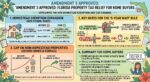
Florida voters approved Amendment 3 in November 2026, expanding homestead exemption rules beginning in 2027. The changes may affect primary-home buyers, investors, and people moving to Florida.
1. Larger tax savings for primary homes
For homesteaded primary residences, the amount of assessed value exempt from non-school property taxes (city, county, and special district levies) increases in stages:
- 2026 baseline: up to about $50,000 exempt from non-school taxes.
- 2027: the first $150,000 of assessed value is exempt.
- 2028: the first $250,000 is exempt.
- 2029 onward: the $250,000 cap adjusts annually for inflation.
That can lower annual tax bills. Starting in 2028, homes assessed below $250,000 may owe no non-school property taxes. School district taxes are not affected; they account for roughly 40% of a standard tax bill and retain the baseline $25,000 exemption.
2. When you establish Florida residency matters
People who establish Florida residency on or before December 31, 2026, can qualify for the full expanded exemption as soon as they buy and homestead a primary residence. People moving to Florida on or after January 1, 2027, generally receive the existing exemption first and must wait five years to access the higher $150,000 and $250,000 tiers, unless their county or municipality shortens the wait.
3. A lower assessment-growth cap for other properties
Vacation homes, rentals, and commercial properties do not qualify for the expanded primary-home exemption. Starting January 1, 2027, however, the annual assessment-growth cap for non-homestead properties is cut from 10% to 5% for non-school taxes. This can make holding costs more predictable when property values rise quickly.
4. Local fees and services may change
Removing taxable value from local rolls may reduce county and municipal revenues. Local governments could respond with higher non-property fees or utility rates, changes to millage rates, or reductions in some maintenance and public services.
Amendment 3 may make Florida homeownership more attractive, but the benefit depends on when you establish residency and whether the property is your primary home or an investment. If you are relocating, timing matters: current Florida residents may qualify beginning in 2027, while many new residents will wait until their fifth year of homestead eligibility for the expanded benefit.
Understanding the rules before you buy can help you make a more informed financial decision. If you’re considering a Florida home, contact me today to discuss your timeline and take the next step before the 2027 changes begin.
 Kim N. Bregman
